
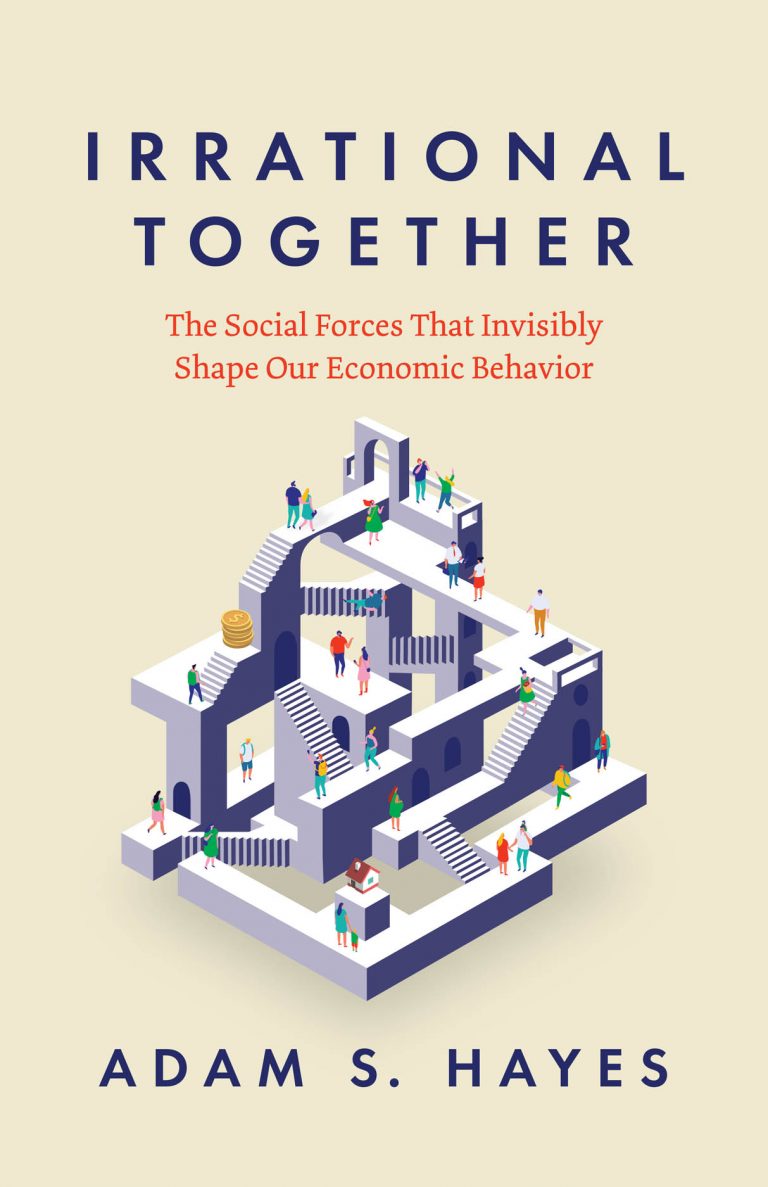
‘Irrational Together’ by Adam S. Hayes
Neil Jordan reviews a book that argues sociological factors, from networks and class to gender, shape economic behaviour that mainstream economics is inclined to dismiss as irrational.

Neil Jordan reviews a book that argues sociological factors, from networks and class to gender, shape economic behaviour that mainstream economics is inclined to dismiss as irrational.

Neil Jordan finds that AI models hacking on their own expose a gap in utilitarianism that duty and virtue must fill

Neil Jordan considers the destruction of rare books for AI training data, and asks what genuine human good the development of these models is meant to serve.

Any duties we have to artificial intelligence are best understood as indirect duties to human beings.
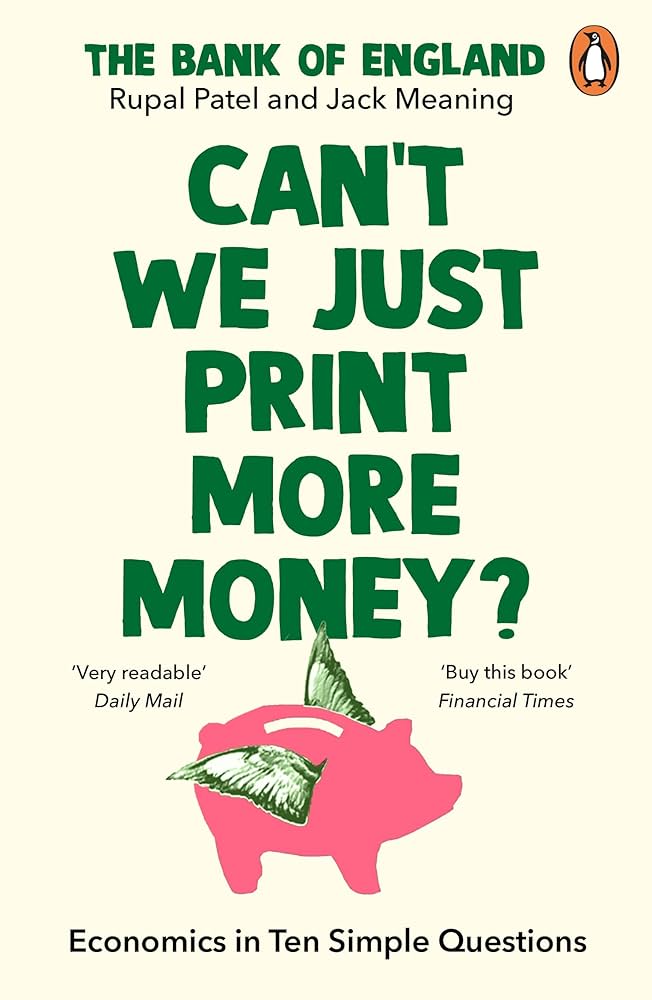
Neil Jordan reviews Can’t We Just Print More Money?, an engaging, accessible and well-illustrated book, written by economists at the Bank of England, that assists the public in understanding economics and major economic matters.
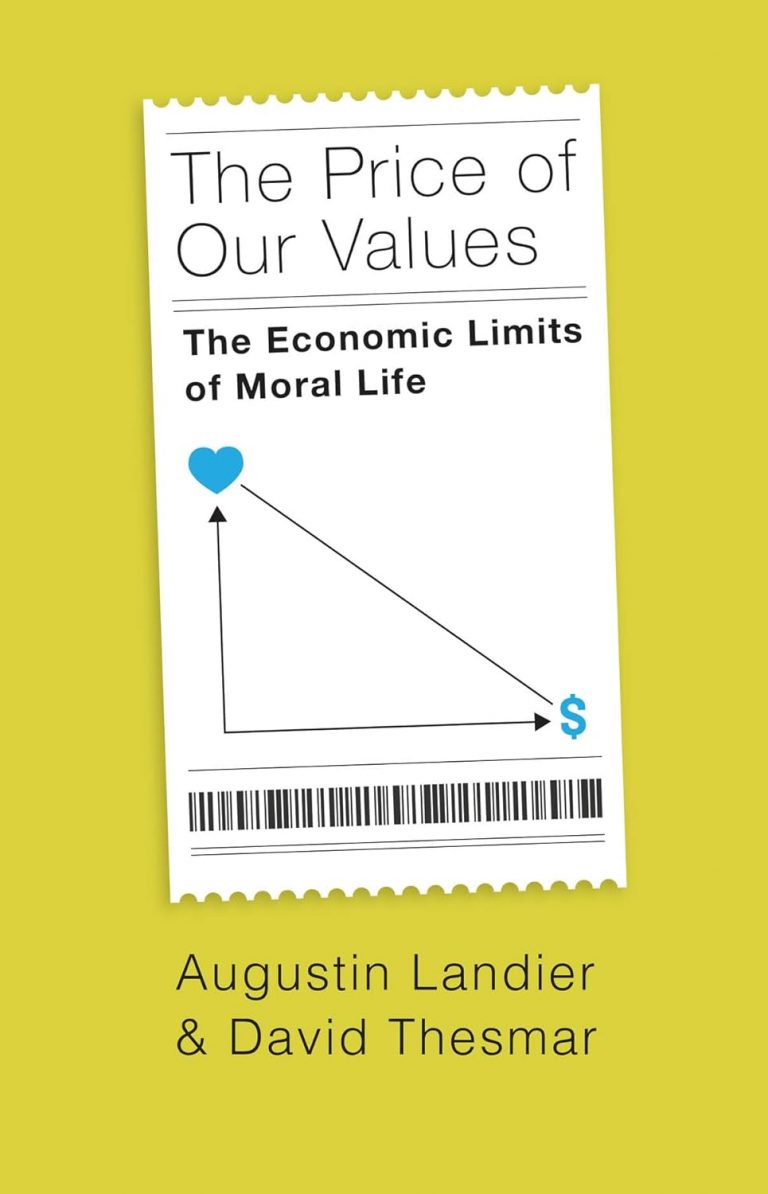
The Price of Our Values stresses the need for ‘value pluralism’: for economics to acknowledge the shortcomings of some of its default analytic positions and make greater room for moral concerns, as well as the need for moral thinking to allow greater space for economic considerations.

An interesting example of market transformation can be seen in the growth of worldwide spending on beauty products, which reached $440bn in 2024. There are various trends (or pressures) at work, with men now feeling freer to spend on beauty products and demand growing among young people, who are purchasing such products at much earlier ages than their grandparents. Social media has played a significant role: as influencers share their beauty regimes, the online space is becoming the biggest shop window for the beauty industry. Additionally, there has been a…
In Work as a Calling, Garret Potts argues for a return to the moral vision of work as a calling, whereby ‘meaningful work’ is ‘good work’ that pursues the common and individual good together.

It has been reported that executives within the motor industry have expressed frustration at the Chancellor’s intention to end the provision of luxury cars through the Motability scheme, which assists those in receipt of disability benefits with funding to lease a new vehicle. Motability itself is a private company and accounts for about a fifth of sales of new cars in the UK, last year having spent £2.8 billion in the provision of vehicles for about 815,000 users. Of the 700,000 vehicles that constitute Motability’s stock, around 50,000 are considered…

In March this year, I raised the question of whether the council tax premium on second homes constituted a solution to difficult problems – namely shortages of housing in some areas and straitened local authority finances – or was in effect a sumptuary law of sorts. The Moral Issue An important question was whether there was any ethical justification for the premium. One justification might be that investing earnings in a second home is in effect acting against the public interest, such that councils use the premium to discourage ‘hoarding’…

It has been reported that Ribbon AI, a Canadian company, is offering employers a new form of screening interview conducted by artificial intelligence. With a view to helping organisations hire staff more quickly and job-seekers find work sooner by cutting out ‘dead time’ in the recruitment process, early stage job interviews are conducted in a fashion similar to a remote interview, with applicants responding to questions and prompts from a natural sounding voice, generated by AI. The idea is that the AI interview saves time for job-seekers, who get to…