
Autonomous Hacking and Moral Philosophy: What Breaches in AI Security Illustrate about Moral Thinking
Neil Jordan finds that AI models hacking on their own expose a gap in utilitarianism that duty and virtue must fill
Continue Reading → Neil Jordan finds that AI models hacking on their own expose a gap in utilitarianism that duty and virtue must fill
Continue Reading →
Philip Booth weighs state, civil society and market solutions to AI's power problem and judges polycentric governance the most workable path.
Continue Reading →
Neil Jordan considers the destruction of rare books for AI training data, and asks what genuine human good the development of these models is meant to serve.
Continue Reading →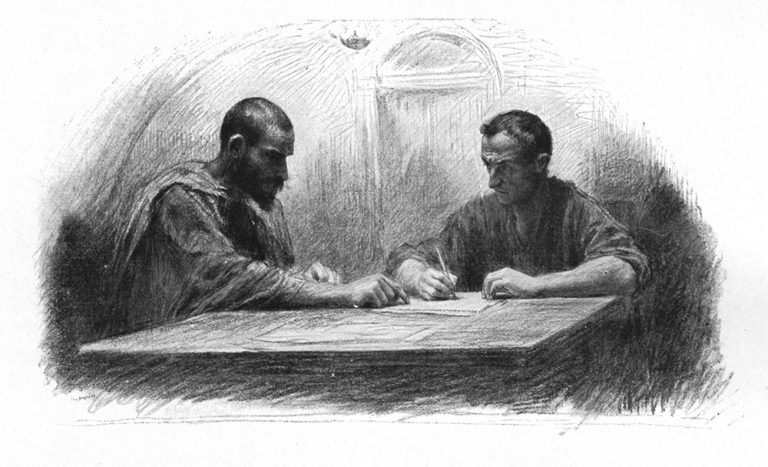
Philip Krinks retells Jesus's Parable of the Unjust Steward as a corporate restructuring, asking what wisdom Christians should bring to money and whether they treat it as idol or icon.
Continue Reading →
Dylan Pahman examines the political philosophy of Russian Orthodox thinker S.L. Frank, whose theology of spontaneous order and personal freedom challenges assumptions about Orthodoxy and illiberalism.
Continue Reading →
Any duties we have to artificial intelligence are best understood as indirect duties to human beings.
Continue Reading →
Nicolas Baumgartner on why trust in markets and trust in God are not the same kind of thing.
Continue Reading →
If machines do the work and the state pays the wage, what becomes of our dignity?
Continue Reading →
Entrepreneurship is a distinct vocation, requiring virtues rarely articulated in management literature. Drawing on economic analysis of radical uncertainty alongside Catholic social teaching from Pius XII to Francis, Philip Booth sets out the virtues demanded of the entrepreneur — and argues that they extend well beyond business, to civil society (...)
Continue Reading →
Is competition merely a necessary evil to be restrained? Drawing on Trinitarian theology and the doctrine of stewardship, this blog argues that rightly ordered competition is essential to human flourishing.
Continue Reading →
Philip Booth uses the Parable of the Prodigal Son to distinguish social justice from distributive justice in Catholic social teaching, and explain the common good.
Continue Reading →