

‘Ethics for Capitalists’ by Joseph Heath
Richard Godden reviews a book that provides much to think about in its argument that business ethics must be assessed in the context of our existing economic system – the market economy.

Richard Godden reviews a book that provides much to think about in its argument that business ethics must be assessed in the context of our existing economic system – the market economy.
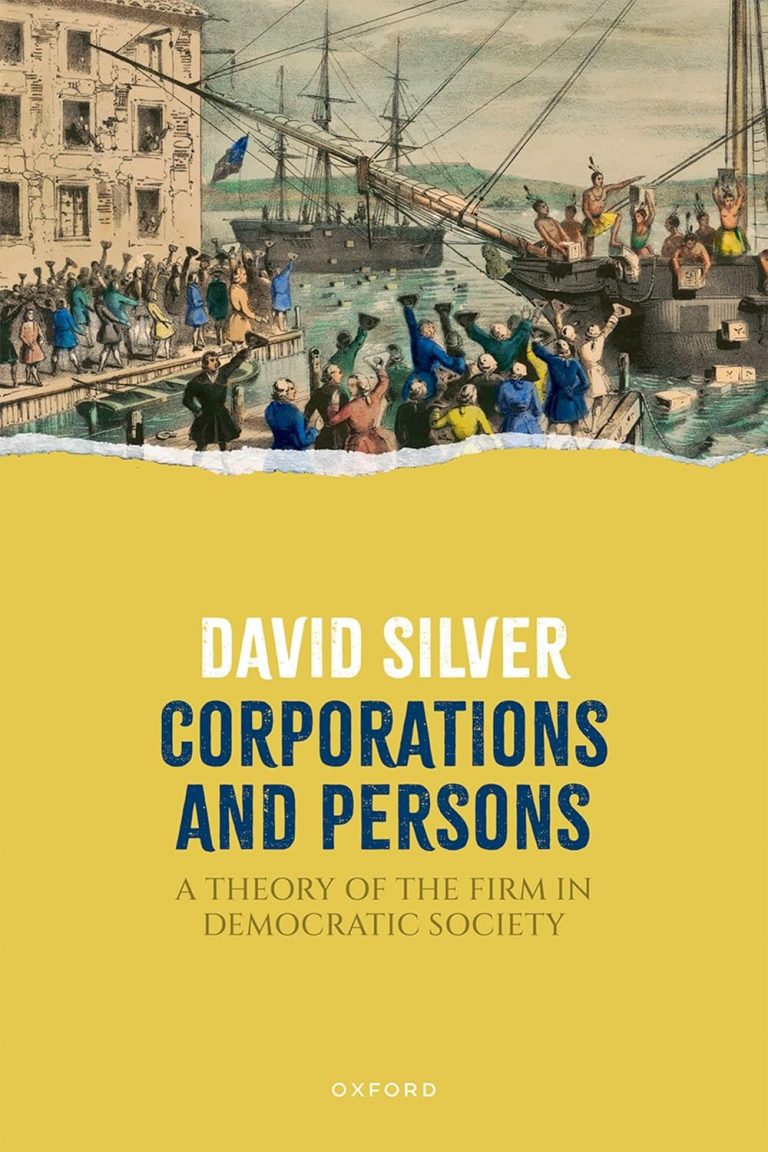
Richard Godden’s review offers a rigorous critique of David Silver’s argument that corporations are moral persons with responsibilities and rights in democratic society.
Good Company seeks to propose policies for reorienting corporations away from shareholder primacy and toward innovation, but the book does little to connect shareholder primacy with a lack of innovation or provide evidence of the efficacy of the author’s proposed policies.
Economics of Good and Evil looks for economic thought in ancient myths and seeks myths in today’s economics, raising fundamental questions about the nature of economics, its relationship with moral values and the connection of both of these with human behaviour.
In Capitalism and Christianity, Luigino Bruni provides a sweeping overview of various strands of Christian thinking about economic and, to some extent, social matters over the past 2000 years and seeks to assess their impact.
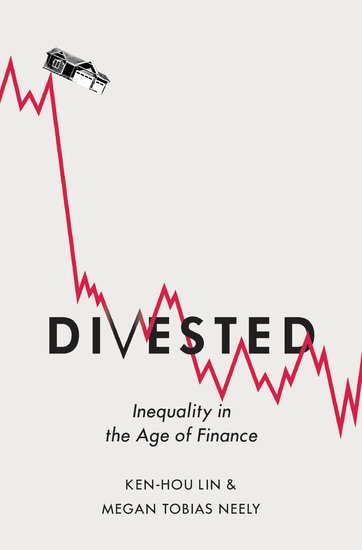
Ken-Hou Lin is an Associate Professor of Sociology at the University of Texas at Austin and Megan Tobias Neely is a Post-Doctoral Researcher at Stanford University, studying gender, race and social class inequality. They are alarmed by the growth of inequality in the United States of America over the past generation and blame this on […]
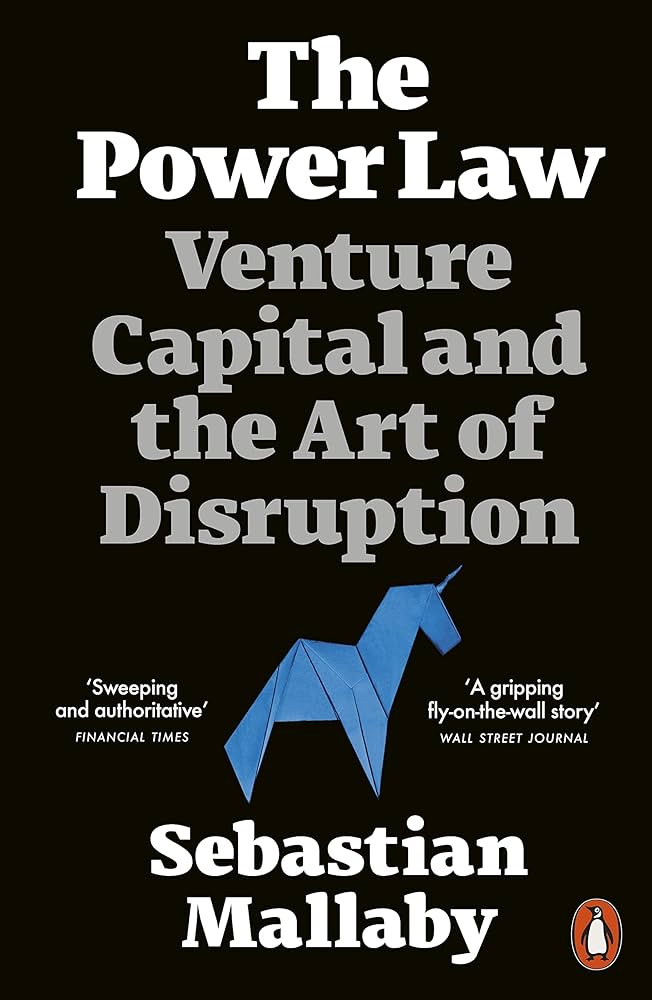
The Power Law: Venture Capital and the Art of Disruption (published 2022) examines the fascinating history of the venture capital from its early days in the 1950s to today. It contains much that will challenge popular perceptions of the industry. It is very readable and does not assume prior knowledge. It examines that mindset and business practices of venture capitalists as well as the range of approaches that they have adopted. Those who wish to be better informed about the industry that has incubated many of today’s biggest companies should read it.
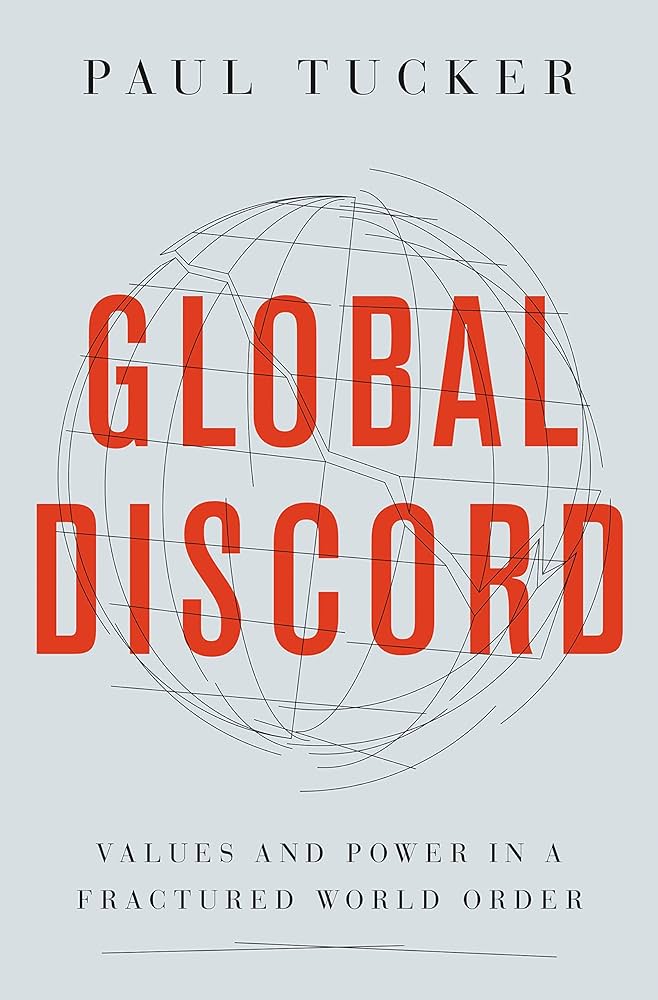
In Global Discord, the former Deputy Governor of the Bank of England, Paul Tucker draws attention to the deep cleavage in modern international affairs and suggests how Western democracies should respond to this. The book is not an easy read and is not specifically about capitalism, business or wealth and poverty but the issues that it discusses are of crucial importance to all of these things and those who take the trouble to read it will find it rewarding.

Deirdre McCloskey’s Bourgeois Era trilogy comprises a magisterial analysis of the causes of what McCloskey calls “The Great Enrichment” (i.e. the 30+ fold increase in human material wealth since 1800). All three volumes are well worth reading but they are long – 1,700 pages in all – and thus have limited reach. Art Carden has, […]
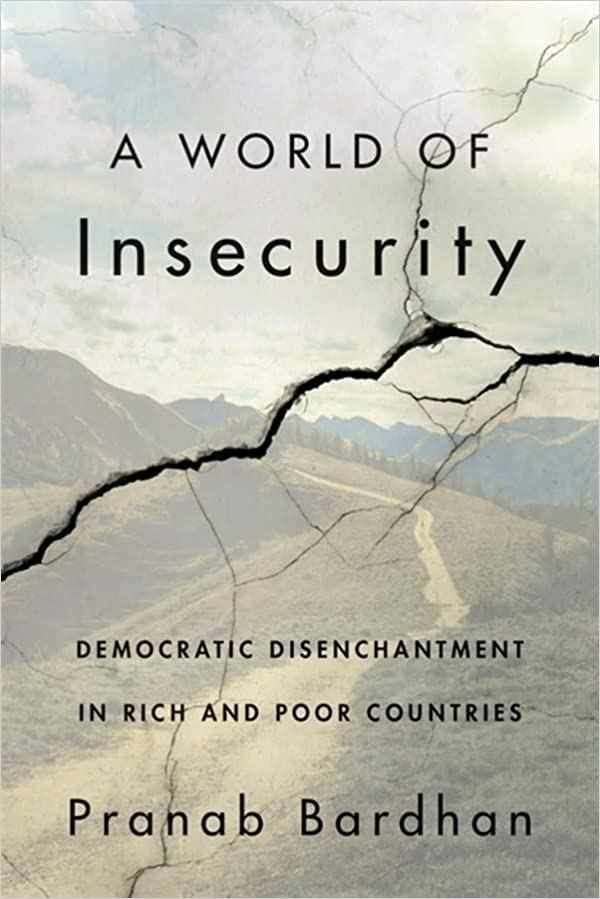
The starting point of A World of Insecurity is similar to that of The Economics of Belonging. The author. Pranab Bardhan, adopts a broader perspective than Sandbu, focussing on India and China as well as the West, and the book is interesting in parts. However, it appears to be primarily written for those on the Left who are in search of a programme. It is unlikely to convince those who don’t share its ideology and even those on the Left would be better off reading The Wolf at the Door.
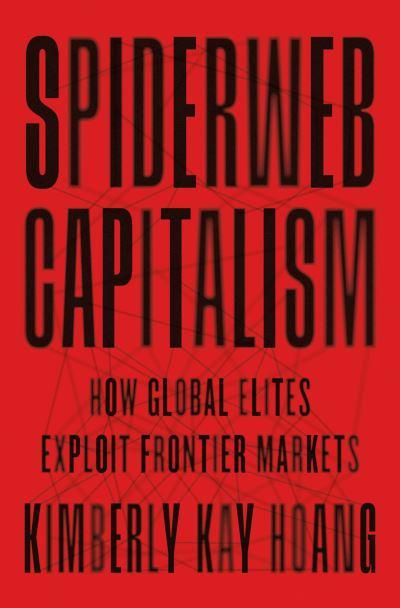
Spiderweb Capitalism describes and draws conclusions from the Kimberly Kay Huang’s research into business in Myanmar and Vietnam. It has serious failings, not least the fact that Huang over generalises and draws unsupported conclusions. Nonetheless, it should be read by anyone who wishes to be aware of the problems associated with business in emerging markets.