Skip to content
Richard Godden

Richard Godden

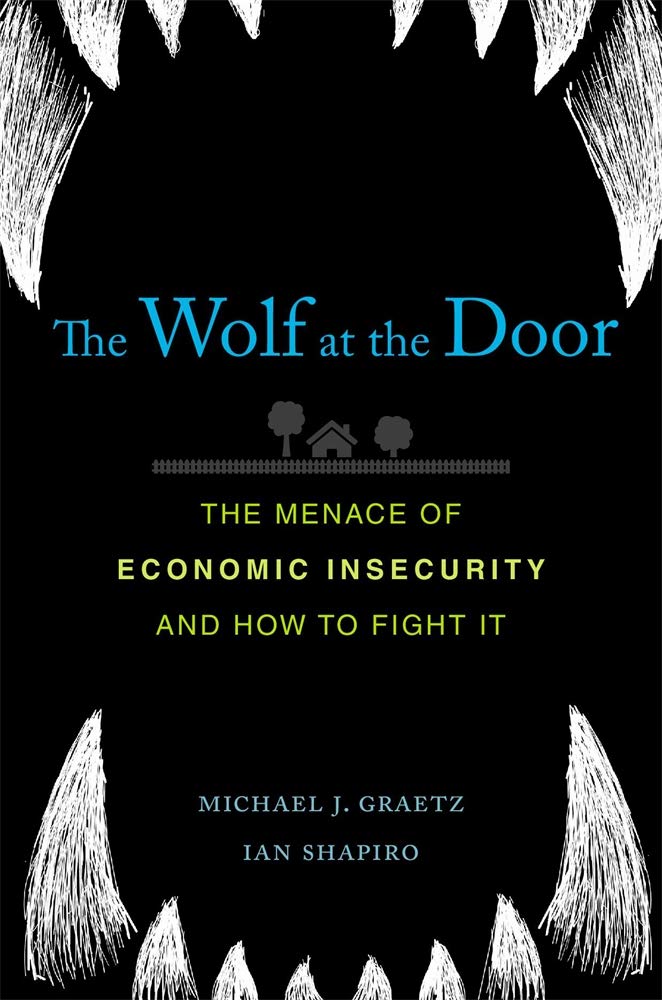
‘The Wolf at the Door’ by Michael J. Graetz and Ian Shapiro

The Wolf at the Door by Michael Graetz and Ian Shapiro (published 2020) also comes from a left of centre perspective and is also commendably free of dogma. The authors suggest that the left has become transfixed by inequality at the expense of focussing on the real issue: economic insecurity. They aim to identify the various elements of economic insecurity and come up with a feasible agenda for addressing these. One may challenge the detail of their proposals but this is a constructive and engaging book that has things to say that are worth considering.”
Continue Reading →

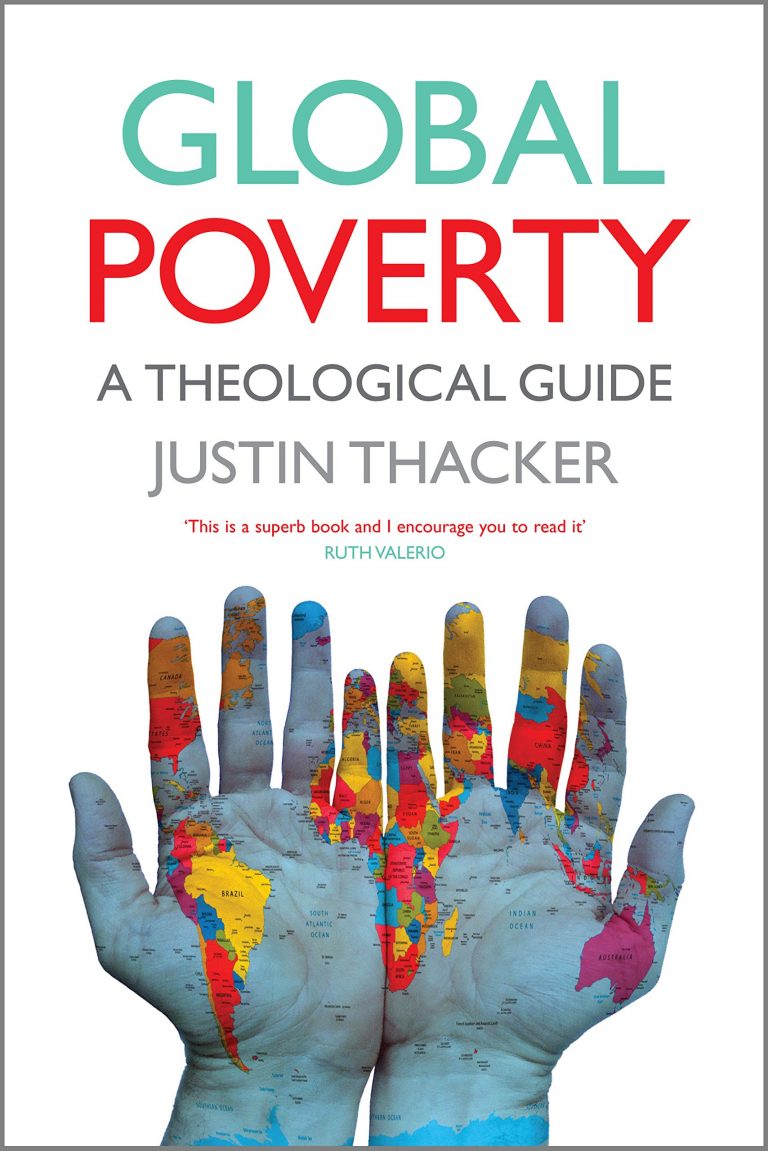
Richard Godden: “Global Poverty: A Theological Guide” by Justin Thacker

Global Poverty: A Theological Guide by Justin Thacker (published 2017) seeks to set out a systematic theology of global poverty. It could be read to provide a contrast with the views expressed by Grudem and Asmus in The Poverty of Nations (which Thacker attacks). However, whilst the book contains some worthwhile analysis (particularly of the theologies of some Christian aid agencies), its defects are serious and those wishing to consider an economically and theologically sound approach to poverty would be well advised to look elsewhere.

Continue Reading →
After Piketty Review

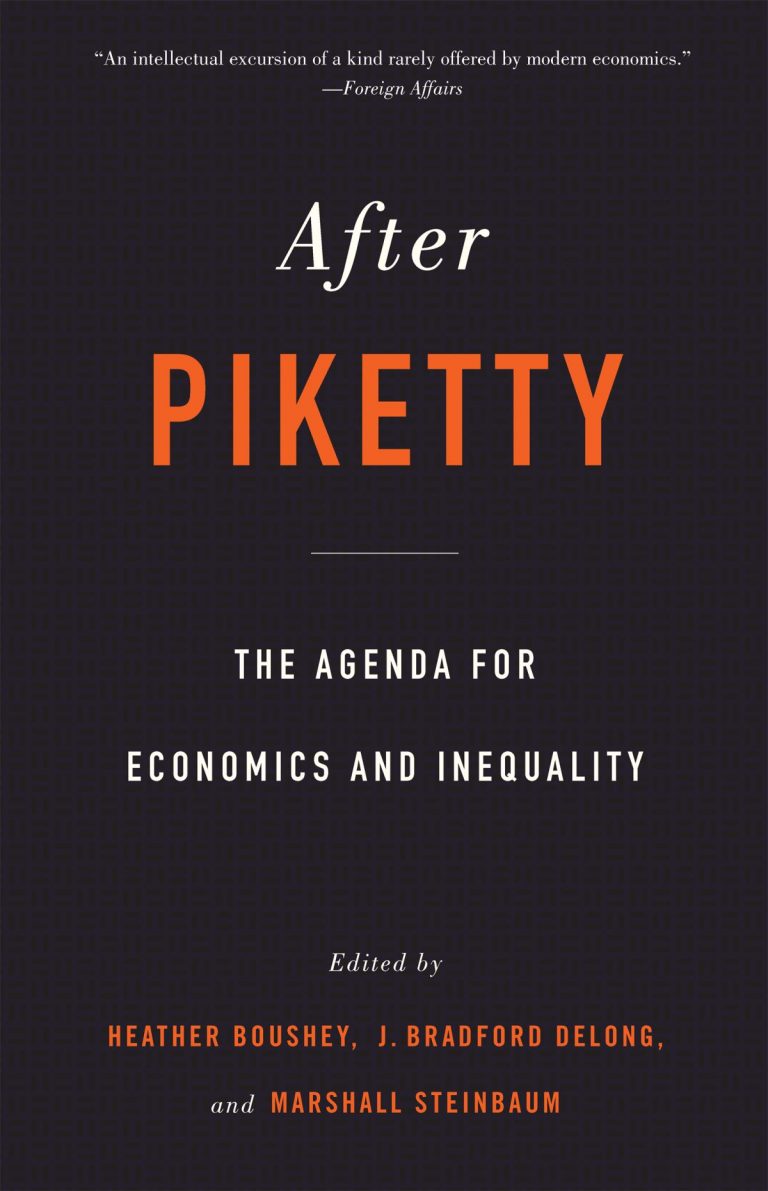
‘After Piketty’ edited by Heather Boushey et al.

Thomas Piketty’s Capital in The Twenty-First Century has achieved almost cult status but its arguments require careful critical evaluation. After Piketty edited by Boushy, DeLong and Steinbaum (published 2017), is a significant academic contribution to this process. Most of its authors are left-leaning but the book as a whole is by no means uncritical of Piketty’s thesis. It suffers from a number of flaws and there are parts of it that non-economists will find challenging but it is well worth reading.

Continue Reading →

Richard Godden: “Quakers, Business and Corporate Responsibility”, Nicholas Burton and Richard Turnbull (Editors)

Quakers, Business and Corporate Responsibility edited by Nicholas Burton and Richard Turnbull (published 2019) comprises a collection of essays relating to Quaker business practices and their economic and social views. Although the essays are of uneven quality, there is plenty in the book to engage any intelligent reader who is interested in business and social issues. It focusses on the historical model of the Quakers in order to draw conclusions and raise questions that are relevant today.

Continue Reading →

‘The Community of Advantage’ by Robert Sugden

The Community of Advantage by Robert Sugden (published 2018) also addresses the results of modern behavioural economics. It aims to meet head on the challenge that these present to the liberal tradition. Robert Sugden shares Hume’s scepticism about human rationality and rejects previous attempts to meet this challenge on the basis of assumed “latent preferences”. He suggests that the use of what he calls the “Individual Opportunity Criterion” is the key to doing so. The book is heavy going and many will question Sugden’s moral relativism but it is worth persevering with it.

Continue Reading →

‘Humanomics: Moral Sentiments and the Wealth of Nations for the Twenty-First Century’ by Vernon L. Smith and Bart J. Wilson

Humanomics by Vernon Smith and Bart Wilson (published 2019) resurrects Adam Smith’s first book, The Theory of Moral Sentiments, to explain the results of modern two-person trust gain experiments. The authors suggest that Adam Smith’s theory has a predictive force that is lacking in the concept of utility maximisation, which has been a governing model in economics for many years. The book is thought provoking and, although not an easy read for the non-specialist, should be read by those who want to think further about human economic behaviour.

Continue Reading →

‘The Job’ by Ellen Shell

The Job by Ellen Shell (published 2018) considers the issue of the future of work in the digital age. It is an easy read and includes memorable stories and phrases. Unfortunately, however, it is deeply flawed. Whilst many will enjoy reading it and will be stimulated by parts of it, those who are seeking careful analysis and clearly worked through proposals need to look elsewhere (perhaps to some of the other books that we have reviewed).

Continue Reading →
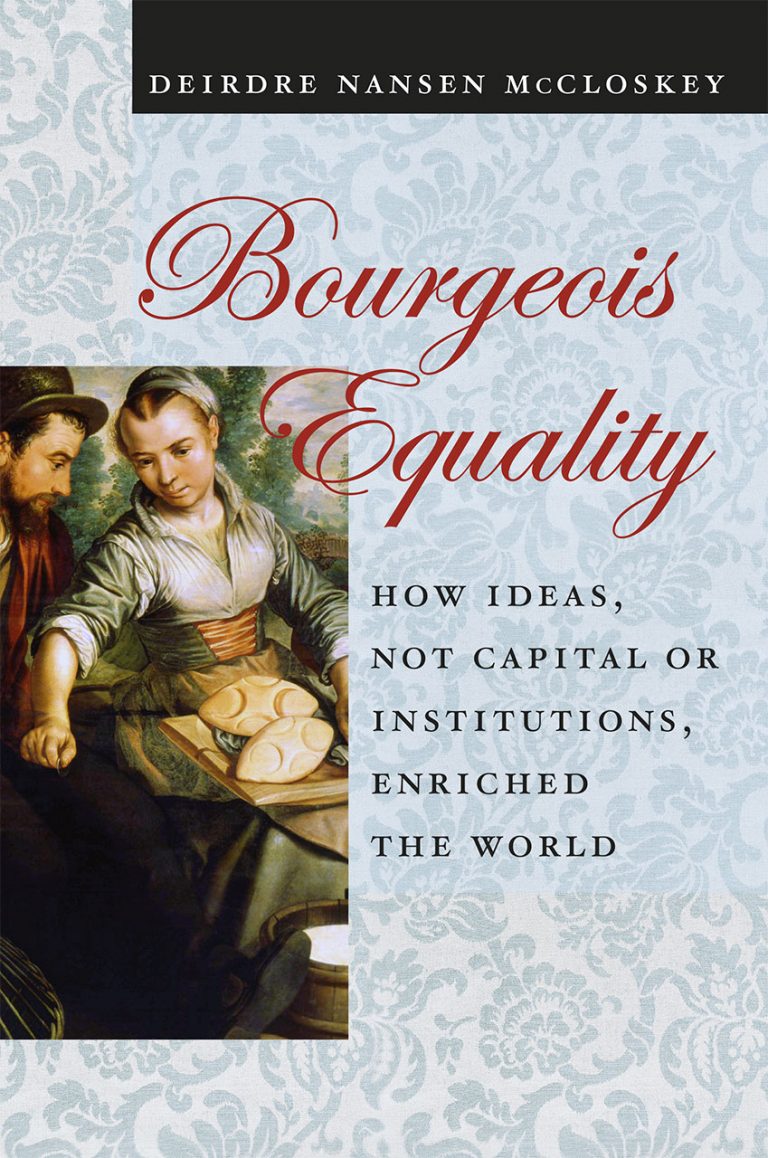
Bourgeois Equality

‘Bourgeois Equality’ by Deirdre McCloskey

The past 200 years have seen a huge increase in aggregate global wealth, which has benefited the vast majority of people around the world. Conservative estimates suggest that average real wages have increased ten-fold and the increase in wealth has probably been considerably greater than this (perhaps thirty-fold or even a hundred-fold). Why has this […]

Continue Reading →

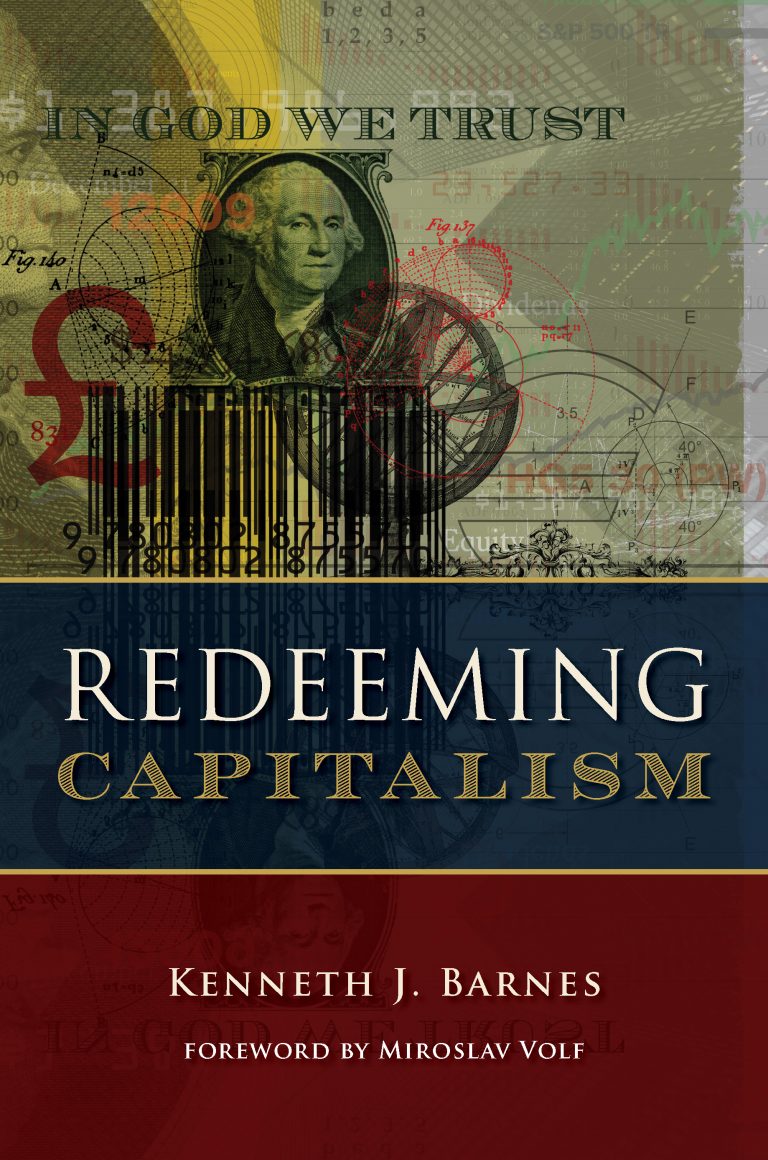
‘Redeeming Capitalism’ by Kenneth J. Barnes

Redeeming Capitalism by Kenneth Barnes (published 2018) sets out to point the way to the reform of current western capitalism. Barnes suggests that this suffers from serious flaws that derive from a “moral vacuum”. However, he does not reject capitalism as a whole. Rather he suggests that we need to replace “post-modern capitalism” with “virtuous capitalism”. Unfortunately, although it is interesting in parts, the book is superficial: it is long on eye-catching statements and short on justification and it presents no ideas as to how in practice the desired change might be effected. It does not advance the debate about practical reform.

Continue Reading →

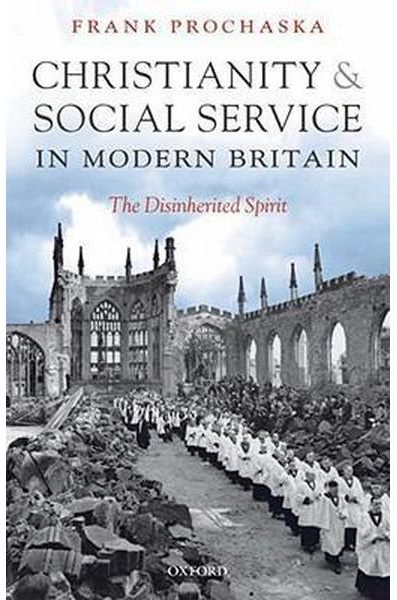
‘Christianity & Social Service in Modern Britain’ by Frank Prochaska

Christianity & Social Service in Modern Britain by Frank Prochaska (published in 2006) looks at the voluntary provision of social services by Christians in the UK in the nineteenth century and the decline in that provision and of Christianity itself since then. It has a number of failings but it is engaging and an eye opener in relation to the historic extent of voluntary action. Any discussion of the Welfare State today needs to take account of what Prochaska describes and interact with his arguments.

Continue Reading →

‘The Poverty of Nations’ by Wayne Grudem & Barry Asmus

The Poverty of Nations by Wayne Grudem and Barry Asmus (published 2013) sets out, in the words of its authors, “to provide a sustainable solution to poverty in the poor nations of the world”. It is a flawed book and its defects may well alienate some readers. Nonetheless, there is enough that is good in the book to make it worth reading. It contains a robust defence of the free market (including its moral benefits) whilst also stressing the institutional aspects of any solution to poverty.

Continue Reading →