Skip to content
Andrei Rogobete

Andrei Rogobete

The Challenge of Artificial Intelligence (Conclusion)

The trajectory of its future development cannot be known but it is clear that artificial intelligence will become increasingly embedded in the home and beyond. The complexities of AI mean it will have varied impact across different sectors of the economy and on their respective pathways of growth or decline. Jobs that are repetitive in nature and/or work towards binary outcomes are particularly at risk. Managing transformational AI will therefore require a degree of wisdom, understanding and individual responsibility on the part of programmers and end-users. At present there is…
Continue Reading →

The Challenge of Artificial Intelligence (Chapter 3)

Chapter 1 considered key milestones in the history of artificial intelligence; Chapter 2 offered two case studies illustrating its benefits and potential pitfalls. Here the focus is on developing an understanding of AI through the lens of Judaeo-Christian teaching. It is important to reiterate the distinction between currently available technology (narrow AI and machine learning) and what is hypothesised (general AI and superintelligence). The following will touch on both, to develop a theistic approach to AI’s role and appropriate utility in contemporary life. The first section takes an exegetical approach…

Continue Reading →

The Challenge of Artificial Intelligence (Chapter 2)

Case studies are a useful way to evaluate the impact of AI on day-to-day life. The first one below considers the use of biometric recognition in strengthening cross-border security; the second the use of AI in autonomous driving vehicles. The aim is further understanding of where AI features, such as machine learning, might be beneficial and where detrimental. 2.1 Case study A: AI in the use of biometric security 2.1.1 Context and background A prerequisite of effective governance is an awareness of who is being governed. Historically, the fingerprint represented…

Continue Reading →

The Challenge of Artificial Intelligence (Chapter 1)

1.1 Defining the terms Within academic and scientific spheres, the concepts surrounding artificial intelligence are often confined to an understanding of intelligence that is largely computational in nature and scope. In its most basic form, AI can be understood as an intentional action aimed at producing a certain outcome. Sometimes the input/output data is known, sometimes unknown – at least until the processing is complete. Yet the tendency remains to evaluate AI largely in relation to human intelligence, which goes beyond mere electronic processing and considers wider, sometimes unexpected consequences.…

Continue Reading →

The Challenge of Artificial Intelligence (Introduction)

Spike Jonze’s 2002 science-fiction film her depicts an unusual romance between Theodore Twombly, the main protagonist, and Samantha, a superintelligent virtual assistant with artificial intelligence (AI). Theodore becomes so enthralled by Samantha’s ability to learn from human interactions and events that the two form an emotionally charged relationship of intrigue, affection and vulnerability. For Theodore, Samantha is as sentient as any human being despite lacking a physical body. She praises Theodore for helping her discover the characteristically human-like desire of wanting.[1] Yet the tension between appearing sentient and being sentient…

Continue Reading →
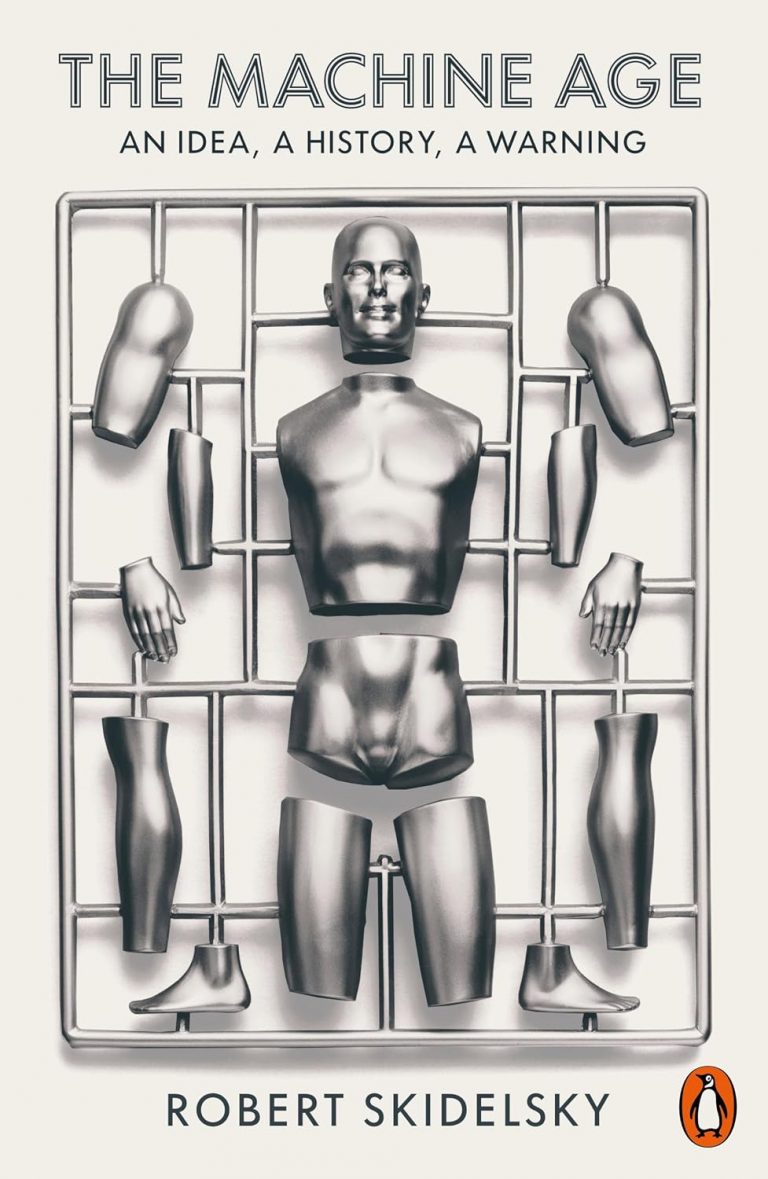
The Machine Age

‘The Machine Age’ by Robert Skidelsky

Andrei Rogobete comments on a sweeping and erudite critique of modern technological society, challenging in its breadth and perhaps unduly negative in its assessment of the impact of technology.

Continue Reading →
Anthropomorphising AI

Stop Giving AI Powers it Doesn’t Have

Anthropomorphising AI is rhetorically seductive but intellectually unsound. We must remember that the analogy between artificial intelligence and human intelligence is a distant one.  Otherwise, we risk conflating computer systems with human-like agents and automation with autonomy. The anthropomorphisation of artificial intelligence – i.e. the attribution of human characteristics, intentions, or moral status to computational systems – has become a pervasive feature of public discourse, marketing (particularly in the private sector), and even some strands of academia. Popular narratives describe AI systems as entities that ‘think’ ‘understand’ or ‘want’, and…

Continue Reading →
Failed Again Christian

‘A “Failed-Again” Christian’ by Dato Kim Tan

A ‘Failed-Again’ Christian is an intimate and down-to-earth spiritual memoir that wrestles with some of the most pertinent and enduring questions linked to the reconciliation of faith, science and the problem of evil.

Continue Reading →

Andrei Rogobete: In Defence of Cash ISAs

Recent articles in the financial news (such as this one by the Telegraph) have been hastily calling for the abolition of Cash ISAs, claiming absurdities such as, ‘cash savers don’t deserve tax breaks’. Here are a few reasons why they may be mistaken and why their approach is saliently unwise: - Cash ISAs are a key component of diversified savings portfolios. Defenders of high-return investments often tout the benefits of diversification, and that’s exactly why Cash ISAs hold their own. They provide a robust, low-risk foundation to any savings or…

Continue Reading →

Andrei Rogobete: Abraham Kuyper’s Theology of Work & Technology

Abraham Kuyper (1837–1920), the Dutch theologian, philosopher, and statesman, is renowned for his comprehensive vision of Christian engagement in the world, especially in the realms of politics, education, and culture. As one of the founding tenants of Dutch Neo-Calvinism, Kuyper's theology emphasises the sovereignty of God over every aspect of life and the notion that all spheres of society - such as government, family, and science - operate under God’s authority. Though Kuyper’s years much precede the rise of modern technological advancements like artificial intelligence (AI), his theological principles and…

Continue Reading →

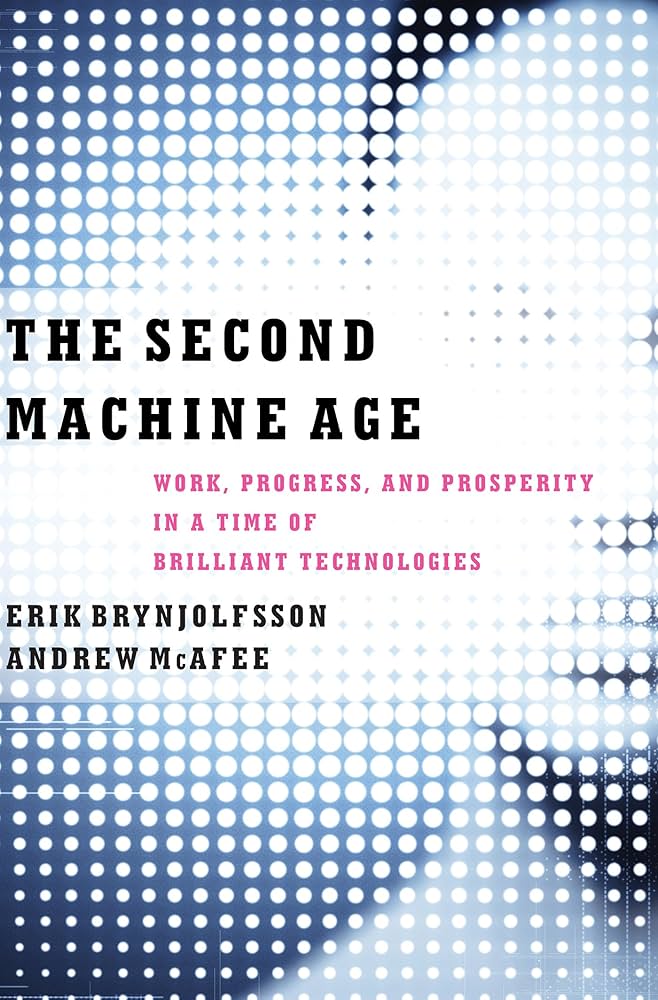
‘The Second Machine Age’ by Erik Brynjolfsson and Andrew McAfee

The Second Machine Age explores the profound implications of rapid technological advances, particularly in digital technologies, for society, the economy, and the labour market, considering the risks of technological unemployment but striking an optimistic note overall about the capacity of technology to drive progress and prosperity.

Continue Reading →