
Skip to content
Andrei Rogobete

Andrei Rogobete

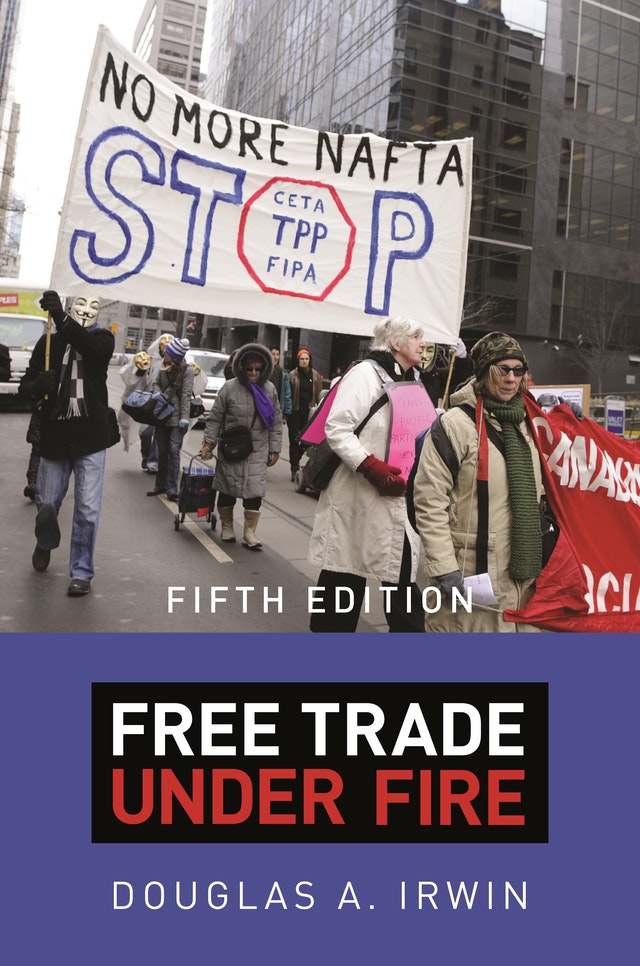
Free Trade Under Fire

‘Free Trade Under Fire’ (Fifth Edition) by Douglas A. Irwin

Free Trade under Fire (fifth edition published 2020) is, as the title suggests, a defence of international trade. It aims to explain some basic economic principles and empirical evidence regarding international trade and trade policies. In an age of increasing nationalist rhetoric, we need to examine afresh the issues, to re-educate ourselves and this book is an excellent step in that direction.
Continue Reading →

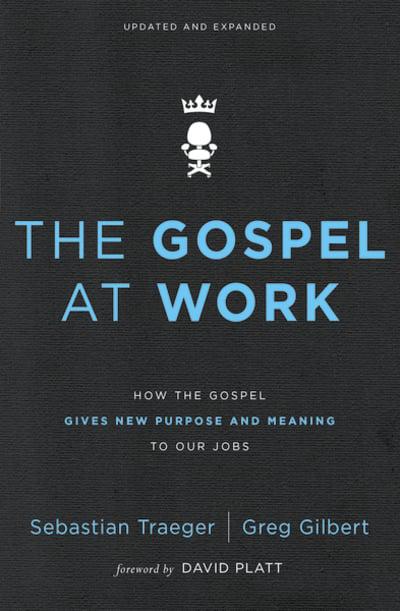
‘The Gospel at Work’ by Sebastian Traeger & Greg Gilbert

The Gospel at Work addresses questions such as: What role does a person’s faith have at work? How should work be understood by Christians? How can we develop a biblical understanding of work? It is an excellent resource for anyone interested in the topic of faith within the workplace, combining practice and theory well and using clear examples and principles that are backed up by Scripture.

Continue Reading →

‘The Ethical Algorithm’ by Michael Kearns & Aaron Roth

The Ethical Algorithm addresses the ethical issues arising out of the ever increasing use of algorithms in decision making, from issues of privacy and fairness to the social outcomes of algorithm design. The authors are, on occasions, overly zealous in viewing the world exclusively through the lens of computer science and many questions are left unanswered but anyone with an interest in these ethical implications should read this book.

Continue Reading →
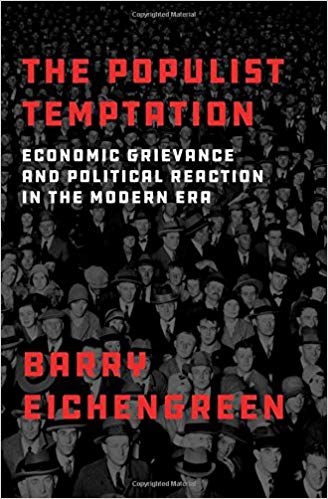
The Populist Temptation

‘The Populist Temptation’ by Barry Eichengreen

The Populist Temptation: Economic Grievance and Political Reaction by Barry Eichengreen (published in 2018) aims to look at Western history in order to identify the economic, social and political circumstances under which populism tends to take hold together with the most effective policies to combat it. Eichengreen’s view that government action and regulation is the solution is open to challenge but the book contains much that is likely to enhance the reader’s understanding of populism and provides much needed historical perspective.

Continue Reading →

Andrei Rogobete on BBC Radio: “A Thriving and Ethical Private Sector is the Answer to Inequality”

  In a recent interview with the BBC our Associate Director, Andrei Rogobete was invited to discuss the highly contested topic of socioeconomic inequality in the UK. The full interview can be found here - some of Andrei's main arguments include: Inequality becomes a large-scale societal problem when those at the lower end of the income spectrum are unable rise out of poverty, despite their willingness to do so. Government and increased taxation is not the solution to solving long-term inequality. The real change is more profound and must come from…

Continue Reading →

‘Rethinking Poverty’ by James Bailey

In Rethinking Poverty: Income, Assets, and the Catholic Social Justice Tradition (published 2010) James Bailey argues that public policy in relation to poverty has placed too little emphasis on assets and savings. He uses concepts in Catholic Social Thought to build his case, including Catholic teaching on ownership, material well-being and the common good. In parts, many will take issue with some of Bailey’s more ideologically inclined statements and, in parts, the book is US-centric but it is clear and well researched, promotes an under-explored thesis and is a worthwhile read.

Continue Reading →

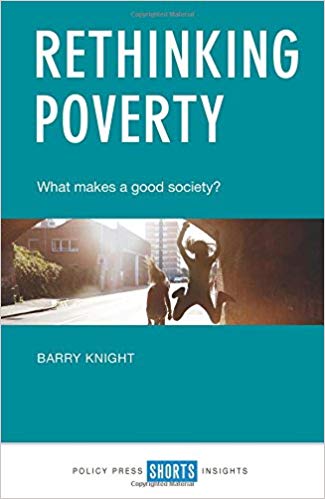
Andrei Rogobete: “Rethinking Poverty: What makes a good society?” by Barry Knight

Rethinking Poverty: What makes a good society? by Barry Knight (published in 2017) comes at the issue of poverty from a left of centre perspective. It considers the nature of a good society without poverty and the way of building such a society. It underestimates that transformative power of free enterprise and overestimates that benefits of central government but it refrains from being overtly propagandistic and it is a useful contribution to the discussion on poverty in the UK.

Continue Reading →

The Challenges of Migration

The Centre for Enterprise, Markets and Ethics (CEME) is pleased to announce the publication of The Challenges of Migration by Andrei Rogobete. The publication can be downloaded here. Alternatively, paperback copies can be purchased by contacting CEME’s offices via email at: office@theceme.org                        

Continue Reading →

‘Economics for the Common Good’ by Jean Tirole

Economics for the Common Good by Jean Tirole (English edition published 2017) is an excellent book written by one of the finest minds of our time. It is long (563 pp) but it is aimed at the general public and Jean Tirole, is masterful in using simple language to convey highly complex issues. It focuses on both the purpose of economics and the challenges that the world now faces. Although no book is value free and few readers will agree with all that Tirole says, he does not adhere to any clear cut ideological line, leaving the readers free to make up their own minds.

Continue Reading →

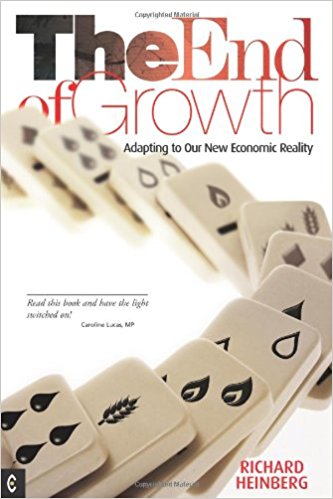
‘The End of Growth: Adapting to Our New Economic Reality’ by Richard Heinberg

The End of Growth: Adapting to Our New Economic Reality by Richard Heinberg (published 2011) is also gloomy in tone. It suggests that economic growth as we have become accustomed to it over the past century or so is over and done with. It is well written and thoroughly researched but those looking for a balanced account of the long-term economic outlook should look elsewhere.

Continue Reading →
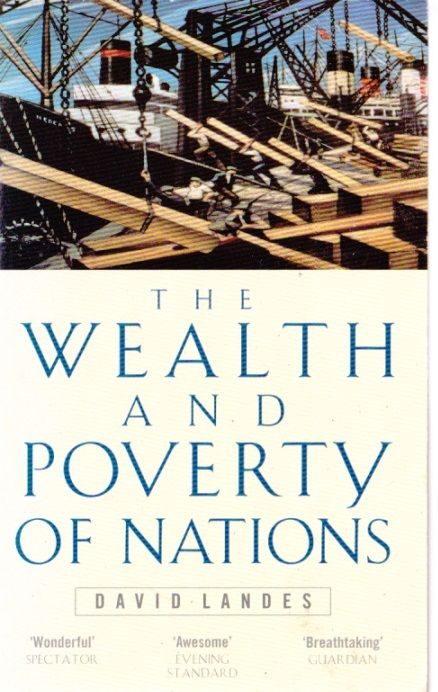
The Wealth and Poverty of Nations

‘The Wealth and Poverty of Nations’ by David Landes

  American essayist and novelist William Styron once said that “A great book should leave you with many experiences, and slightly exhausted at the end.” If we judge the late David Landes’ ‘Wealth and Poverty of Nations’ by this criterion, it most certainly fits the bill of a ‘great book’. It is a majestic display of his deep insight and vast knowledge of global economic history. It comes as no surprise, therefore, that the book has been all but universally acclaimed by literary critics. David Landes was Professor of History…

Continue Reading →