
One way to approach biblical texts is to read them as if they prescribe economic medicine for modern social maladies. For example, Paul Mills argues that an appropriate and devout appreciation of the Jubilee of Leviticus 25 will result in the construction of an economic system where no interest is charged on debts. This has […]
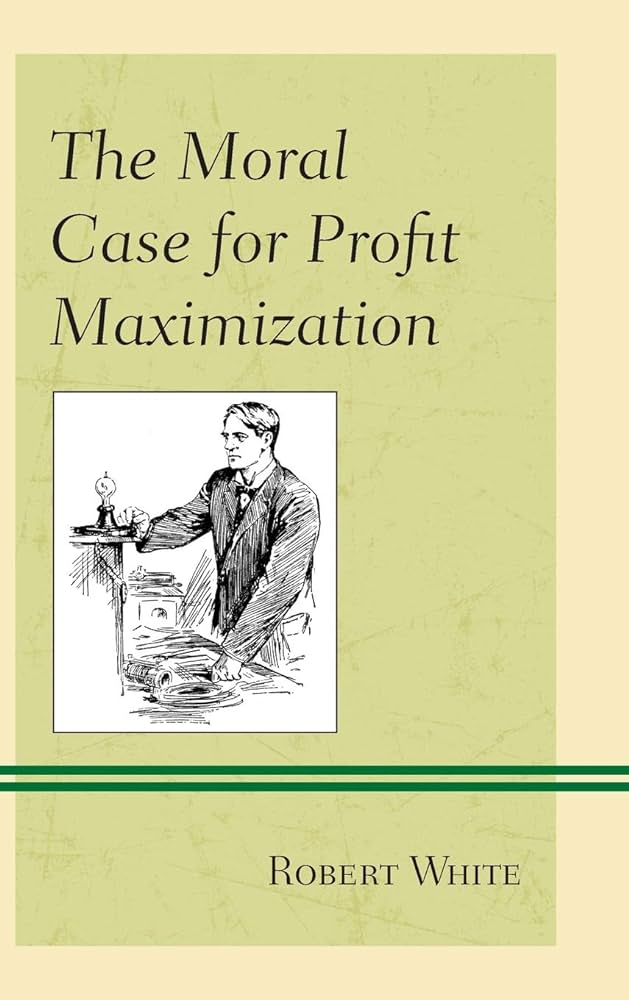
Robert White is dean of faculty and assistant professor of philosophy at the American University in Bulgaria. He was previously Chair and dean of the Faculty of Business. He teaches courses on business ethics and the philosophy of capitalism and has previously written on Adam Smith and also on aspects of the idea of profit. […]
Andrei Rogobete examines AI’s opportunities and risks through Christian theology, arguing for a human-centric approach to artificial intelligence.

Join us for this episode of the CEME video podcast where our host Graeme Leach interviews Dr Andrew Lilico. Dr Andrew Lilico is Executive Director and Principal of Europe Economics. He has over 15 years’ experience of providing expert economic advice to clients around the world. Andrew has previously been the Chief Economist of Policy […]

Join us for this episode of the CEME video podcast where our host Graeme Leach interviews Prof. Philip Booth. Philip Booth is Professor of Finance, Public Policy and Ethics at St Mary’s University, Twickenham where he also serves as the Director of Catholic Mission. He teaches and researches in fields related to economics, political economy, […]
We were delighted to host a joint event on the 30th November 2023 between the Centre for Enterprise, Markets & Ethics (CEME) and the Las Casas Institute for Social Justice (Blackfriars Hall, University of Oxford), on the theme of “Finance for the Common Good”. Our speakers addressed a range of issues such as the interplay […]
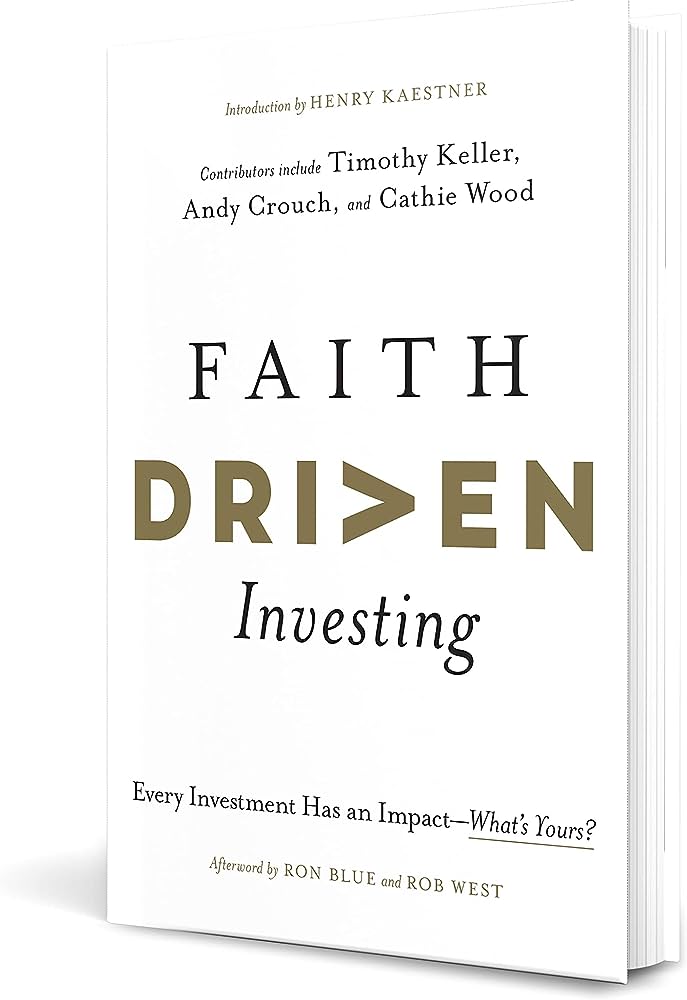
At first glance some readers (myself included), might be mistaken to assume that Faith Driven Investing is another “how to” guide on ethical investing – it is not. In fact, the book has very little to say about investing per say and rather focuses on the “faith driven” investors themselves and the wider role of […]
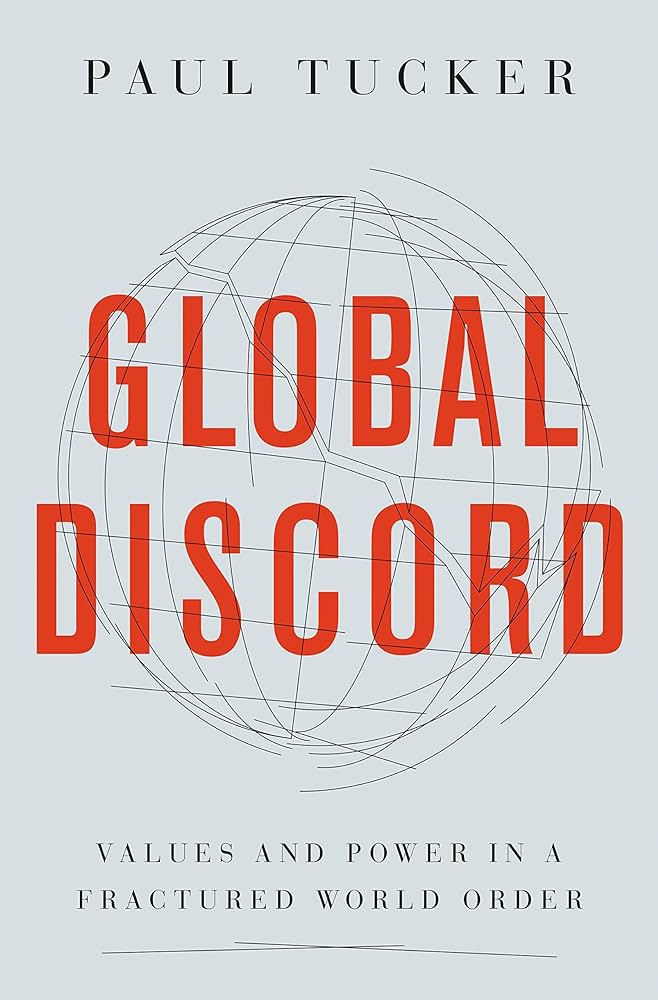
Global Discord does not fit neatly into any of the categories of book that are reviewed on this website. It is not primarily a book about business, capitalism or wealth and poverty. In fact, it is not primarily about economics. However, its focus is on something of crucial importance to all of these things: the […]

A recent report by McKinsey & Co. addresses the impact of generative AI on the future of business. It makes several startling predictions: – Generative AI’s impact on productivity could add trillions of dollars in value to the global economy. Generative AI could add the equivalent of $2.6 trillion to $4.4 trillion annually across […]
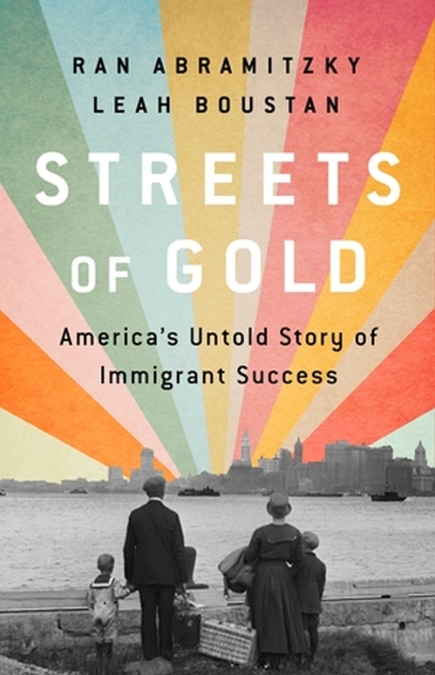
Ran Abramitzky and Leah Boustan provide a compelling, data-driven account of the multigenerational progress of immigrants to the United States in Streets of Gold: America’s Untold Story of Immigrant Success. This book is the result of years of research using ancestry.com data to provide clear evidence on a topic that is often spoken about with […]
Numerous modern authors draw on biblical texts as support for economic rules in modern societies. Notably, contemporary writers often draw contradictory conclusions about the message and intent of the texts in their ancient settings, as well as about the rules that they derive for modern life. In this article, I show the methodological failures of […]