
Book Reviews

This page has migrated to:

https://theceme.org/book-review-overview/

Edward Carter: “Global Business” by Mahesh Joshi & J R Klein

This book is a concise attempt to grapple with the subject of the global economy, especially in the light of events such as the Brexit decision and the election of Donald Trump. Written by two business practitioners, it has a clear and slightly breathless style – one might almost say, an executive summary stretched over...

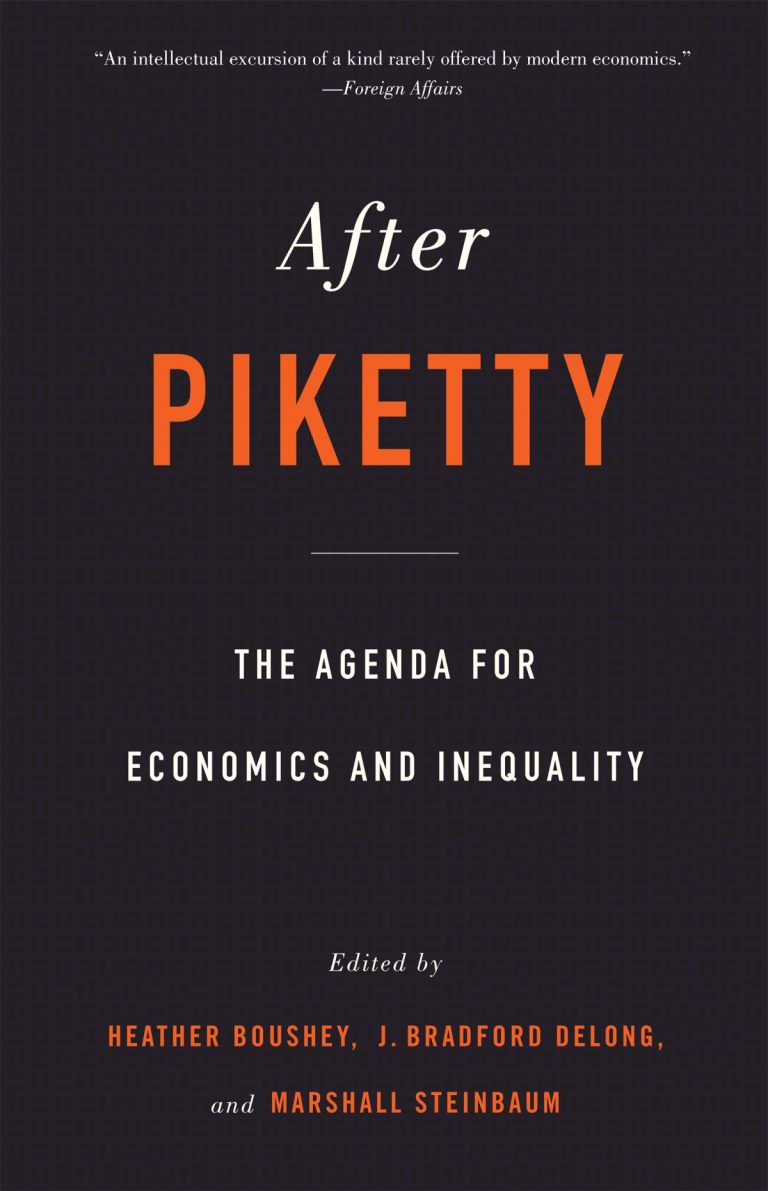
Richard Godden: “After Piketty”, edited by Heather Boushey et al.

Thomas Piketty’s Capital in The Twenty-First Century, published in 2013 (English edition, 2014), is the economics equivalent of Stephen Hawking’s A Brief History of Time: it is a technical book that has secured mass sales, over two and a quarter million copies having been sold worldwide. One may wonder how many of the purchasers have...

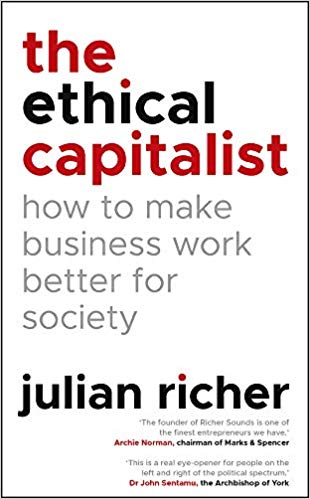
Georgina Bishop: “The Ethical Capitalist” by Julian Richer

As an economic system, unfettered capitalism in the post-recession era has come under considerable scrutiny. Reports of business scandals and misdealings, as well as serious social inequalities, are but a few of the most cited examples. In the face of these criticisms, proponents of capitalism have come to its defence. In “The Ethical Capitalist”, entrepreneur...

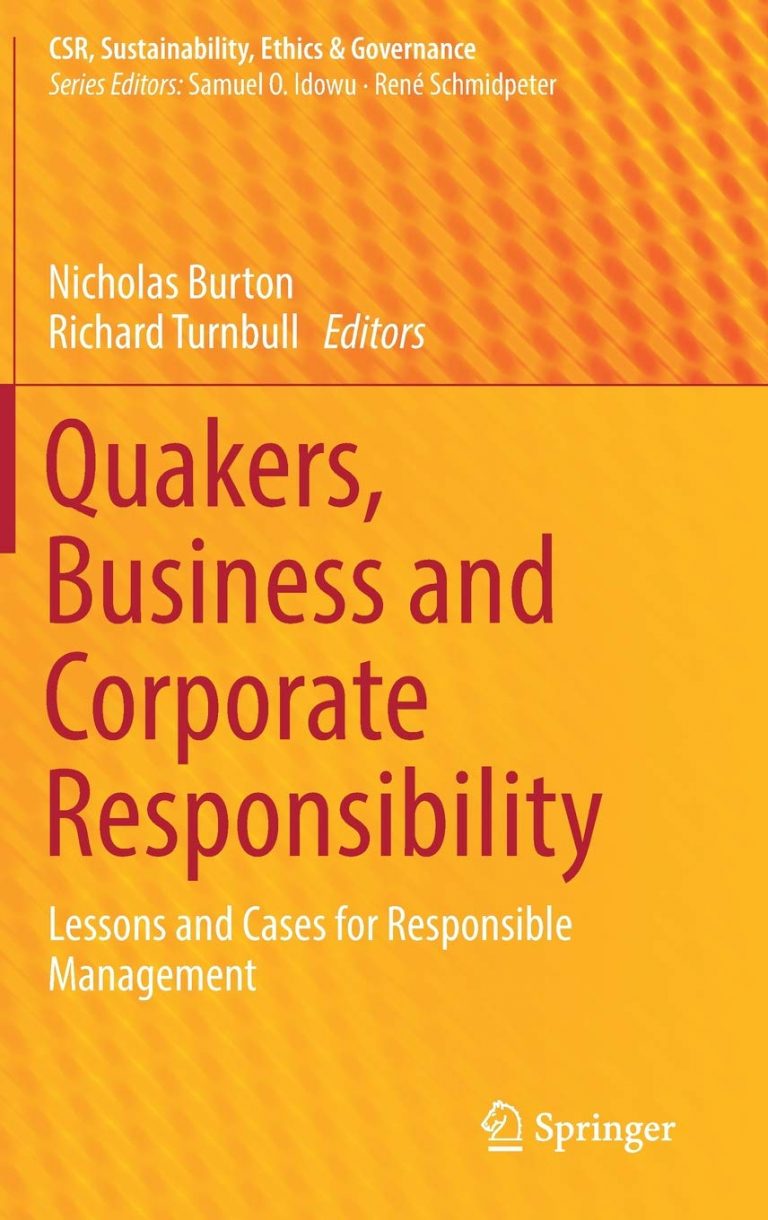
Richard Godden: “Quakers, Business and Corporate Responsibility”, Nicholas Burton and Richard Turnbull (Editors)

Many books about business management or corporate responsibility use historical situations to illustrate or, at least to the satisfaction of their authors, prove their theories. Quakers, Business and Corporate Responsibility adopts the opposite approach: it examines a particular historical model of business management and corporate responsibility (that of the Quakers) and seeks to draw conclusions...

Richard Godden: “The Community of Advantage” by Robert Sugden

Neoclassical normative economics seeks to avoid state paternalism. On the assumption that human beings display “integrated preferences” (i.e. preferences that are stable, context-independent and internally consistent), this objective may be secured by public policy objectives being based on “preference-satisfaction”. However, psychological experiments over the past 30 years have demonstrated that the assumption is false: human...

Andrei Rogobete: “The Populist Temptation” by Barry Eichengreen

  Populism seems to have taken centre stage in today’s public discourse. Whether it’s the election of Donald Trump or Brexit, media outlets, academics, and indeed, the politicians themselves seem to be pointing the finger towards populism. Yet what exactly is populism? Which social and/or economic conditions might give rise to populism? Can populism be...