
Skip to content
Richard Turnbull

Richard Turnbull

Revd Dr. Richard Turnbull (1960-2025) was the Founding Director of the Centre for Enterprise, Markets & Ethics (CEME).
Is The Non-executive Director worth saving

Is the Non-Executive Director Worth Saving? (5/5)

Conclusions and Recommendations If these observations are accurate, NEDs face such potentially severe liabilities, and the mismatch of expectations is so great, that there will be problems in recruitment and retention as well as more serious issues. A role may have been undermined that serves business and society with high standards of corporate governance. High-quality candidates will be lost. What could be done about this? The importance of the educational task was noted several times above; that is, educating society – tuning its expectations – about the proper role of…
Continue Reading →
Is The Non-executive Director worth saving

Is the Non-Executive Director Worth Saving (4/5)

What Do We Really Want from a Non-Executive Director? The public narrative around NEDs illustrates a real tension between a proper desire to hold directors to account and a lack of understanding of the nature and complexity of the NED role. Complaints about 'cosy clubs', 'asleep at the wheel' or 'overpaid' NEDs will often feature on front pages at times of crisis. We might ask, therefore: What is the real point of a non-executive director? Do we need such a role and, if so, what are the reasonable expectations and…

Continue Reading →
Is The Non-executive Director worth saving

Is the Non-Executive Director Worth Saving? (3/5)

The Companies Act and Directors What expectations are set out in law in respect of directors? The legal provisions are found in sections 170–177 of the Companies Act 2006. Section 172 is intended to clarify the wider expectations and responsibilities relating to a director, who must act in 'good faith', and in acting for the benefit of the company's members (shareholders) as a whole, must take into account several other factors, including the long-term consequences of decisions, a company's various stakeholders (employees, customers, suppliers), sustainability, fairness and the 'desirability of…

Continue Reading →
Is The Non-executive Director worth saving

Is the Non-Executive Director Worth Saving? (2/5)

How Have We Got Here? The current debates around the roles, responsibilities and liabilities of NEDs are not occurring in a vacuum: as recently as October 2023 the Insolvency Service's disqualification action against the NEDs of Carillion (on behalf of the Secretary of State) was dropped a few days before the trial was due to commence. The aim here is not to analyse individual cases but to understand the background issues and the implications in respect of NED duties and expectations more broadly. Not only are there relevant contemporary cases…

Continue Reading →
God Is An Englishman

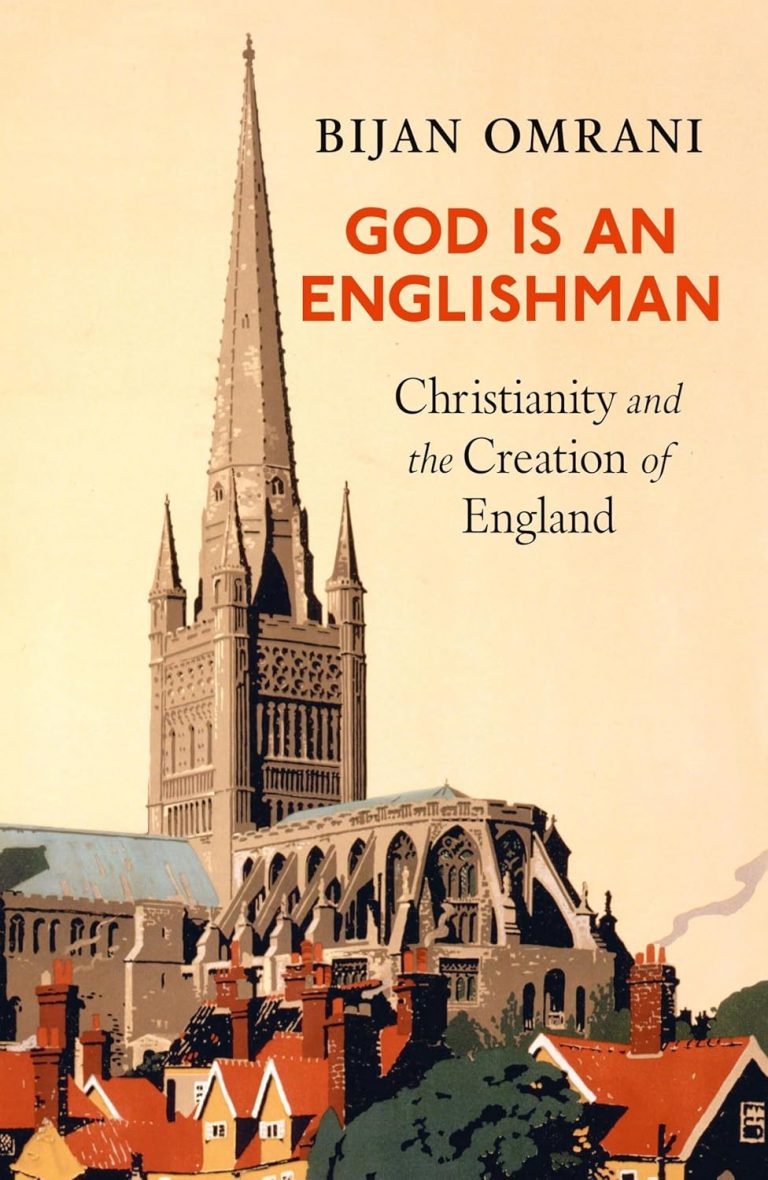
‘God Is An Englishman’ by Bijan Omrani

In answering the question of how Christianity formed and shaped law, institution and culture in England, God is an Englishman tells an important story but the book tends to drift from its big-picture narrative and focuses too heavily on the medieval period, as though the Reformation never happened.

Continue Reading →
Is The Non-executive Director worth saving

Is the Non-Executive Director Worth Saving?

Richard Turnbull makes the case that effective non-executive directors matter not just to boardrooms but to society — and that knee-jerk responses to scandal risk driving good people away from this vital corporate and civic role. The answer is clarity and education, not more liability.

Continue Reading →
Is The Non-executive Director worth saving

Is the Non-Executive Director Worth Saving? (1/5)

PDF Introduction Is the non-executive director (NED) an endangered species? Does it matter? Neither corporate collapse nor corporate scandal are new. They rightly attract media scrutiny and the interest of policymakers and regulators. Illustrative examples include Thomas Cook (2019), Carillion (2018), Patisserie Valerie (2018), Northern Rock (2007) and, earlier, Barings Bank (1995). In the charity sector, Kids Company (2015) is a further notable instance. Global examples include Volkswagen (2015) and Enron (2001). Most of these cases have resulted in some type of regulatory or legal action. Proceedings have included legal…

Continue Reading →

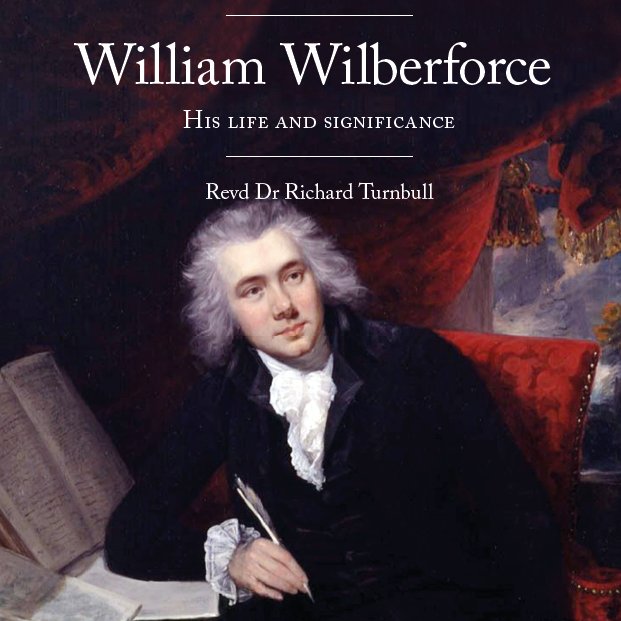
William Wilberforce: His Life and Significance

William Wilberforce: His Life and Significance On the 24 February 1807, the House of Commons voted by 283 votes to 16 to end the trade in human slaves in all British territory. The principal opponent of the slave trade within Parliament and a leading figure in the diverse coalition of campaigners against the evil trade was a man named William Wilberforce. He worked closely with others building a broad coalition for the common good. Wilberforce’s faith led him to campaign not only against slavery but also for wider moral reform…

Continue Reading →

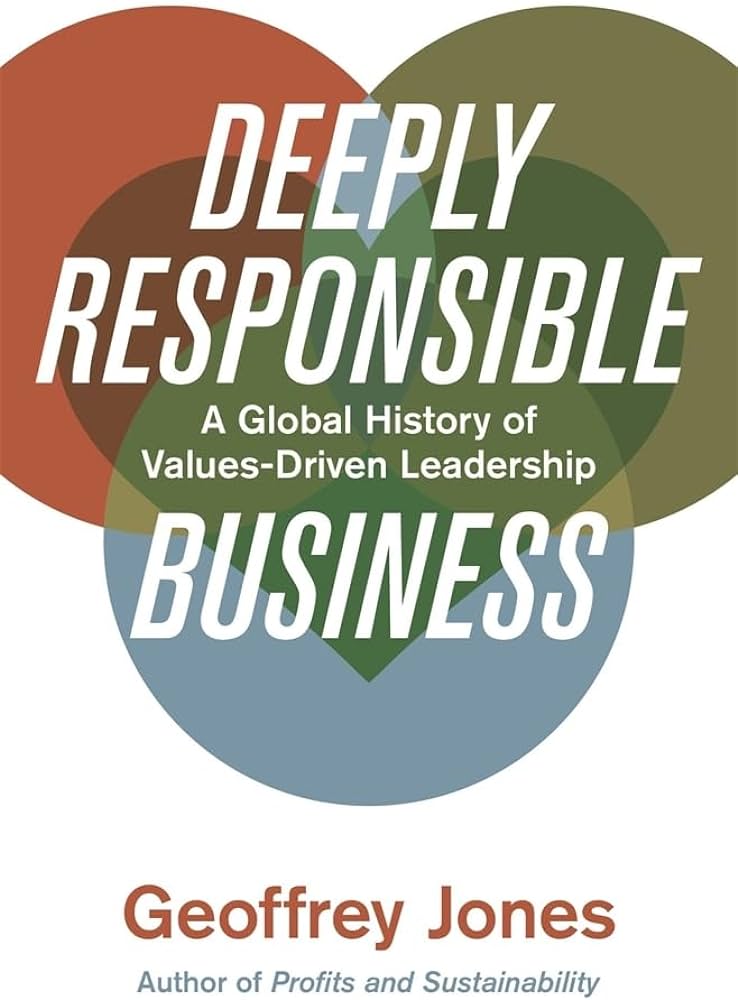
‘Deeply Responsible Business’ by Geoffrey Jones

In Deeply Responsible Business Geoffrey Jones offers us a fascinating and informative historical review of “deeply responsible” business, using the term to characterize the set of values of those who have seen in business a way of addressing some of the world’s problems. With studies of significant historical figures in the world of business, it demonstrates that the quest for responsible business is not a recent phenomenon but does in fact have a long history, and offers a proper and realistic discussion of values-based business that takes account of character, integrity, wisdom and spirituality.

Continue Reading →

‘The Moral Case for Profit Maximization’ by Robert White

Robert White is dean of faculty and assistant professor of philosophy at the American University in Bulgaria. He was previously Chair and dean of the Faculty of Business. He teaches courses on business ethics and the philosophy of capitalism and has previously written on Adam Smith and also on aspects of the idea of profit. He is thus well-qualified to write on the moral case for profit maximization. The book consists of 7 chapters, but in reality is a book of two halves around the pivotal chapter 4 which provides…

Continue Reading →
Business Ethics and Catholic Social Thought

‘Business Ethics and Catholic Social Thought’ edited by Daniel K Finn

Business Ethics and Catholic Social Thought (published 2021) contains a disparate collection of essays by 12 authors, which explore the moral assessment of business in a deeper way than the more usual debates around personal integrity or assessments of capitalism and socialism. The writers are theologically informed and are able and willing to engage with economics and business. The result is an interesting book that can be recommended not merely to Catholics but to a wide range of readers.

Continue Reading →