
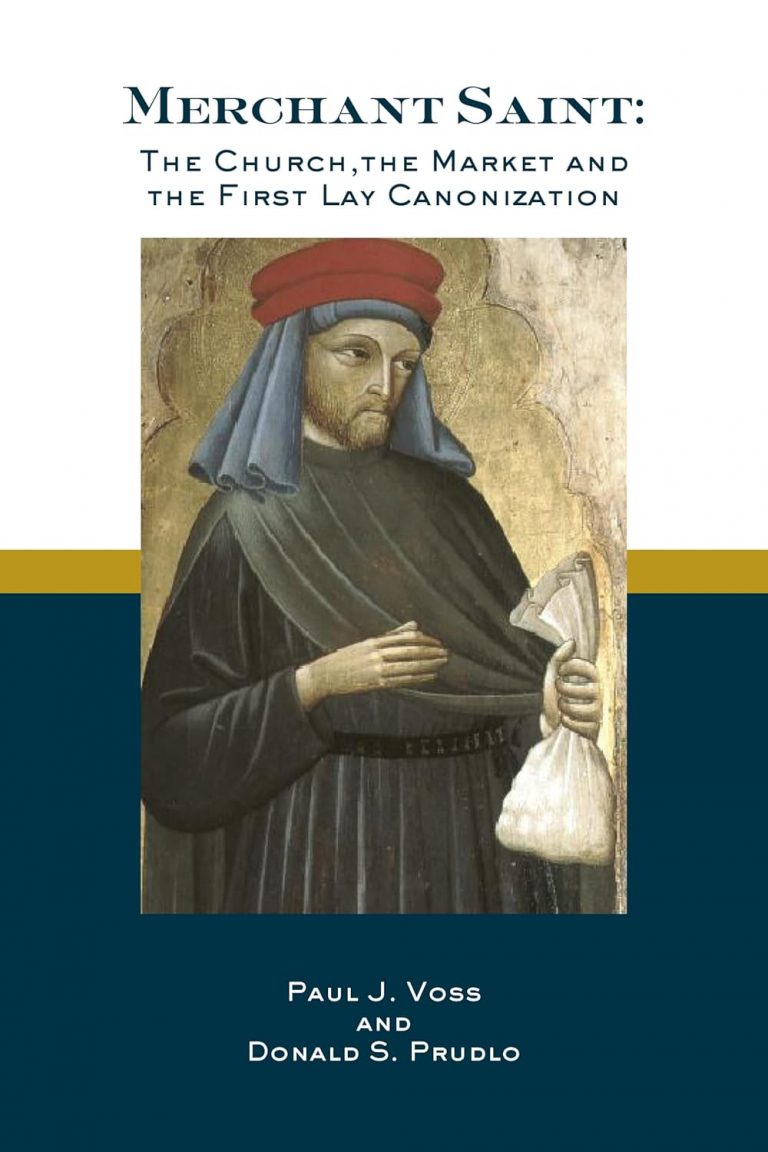
Merchant Saint by Donald Prudlo and Paul J. Voss
Jan Bentz reviews a biography of the first layman canonised by the Church, which offers a striking meditation on whether economic life can itself be a genuine sphere of Christian virtue.

Jan Bentz reviews a biography of the first layman canonised by the Church, which offers a striking meditation on whether economic life can itself be a genuine sphere of Christian virtue.
Jan Bentz reviews what may be the most lucid and unembarrassed defense of liberalism in recent memory, expressing a quiet faith that humanity is improvable, that reason can temper rage, and that freedom, properly tended, can still burn bright—without burning down the house.
Adam Smith Reconsidered offers an ambitious reinterpretation of Adam Smith’s intellectual legacy, challenging prevailing accounts and obliging us to rethink long-standing assumptions about Smith’s political philosophy.
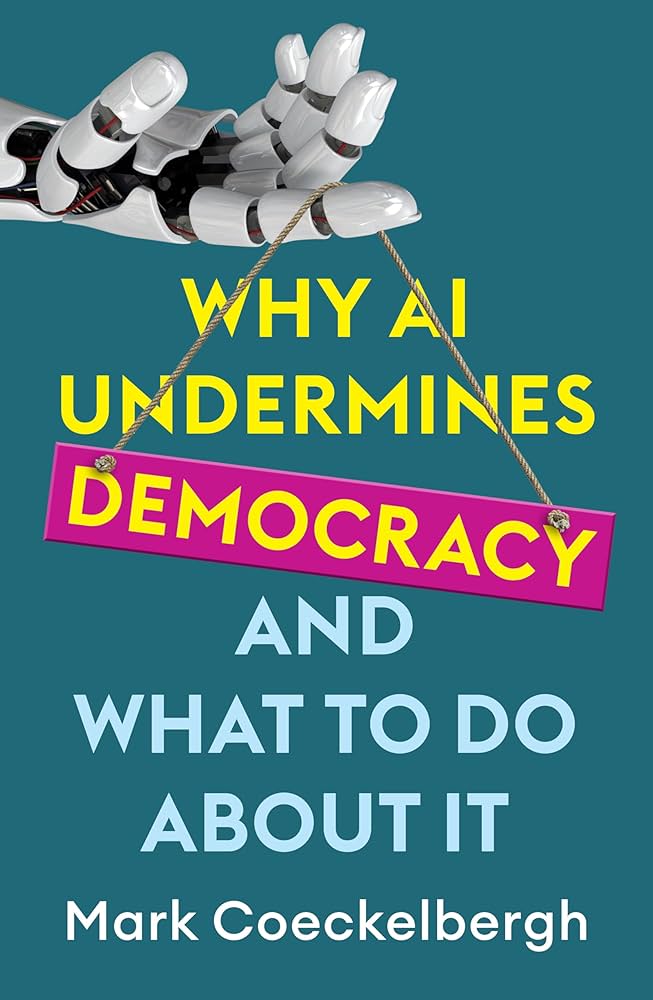
Mark Coeckelbergh’s book delves into the complex and multifaceted relationship between artificial intelligence (AI) and democracy, articulating the significant risks AI poses to what he deems democratic principles. The author embarks on a comprehensive exploration, commencing with a historical perspective and extending through political-philosophical discussions, to analyze how AI impacts democracy. Coeckelbergh not only identifies the dangers AI presents but also offers solutions and insightful approaches to align AI with democratic values. The overarching theme is a call for a renaissance in political culture and education to safeguard and enhance…
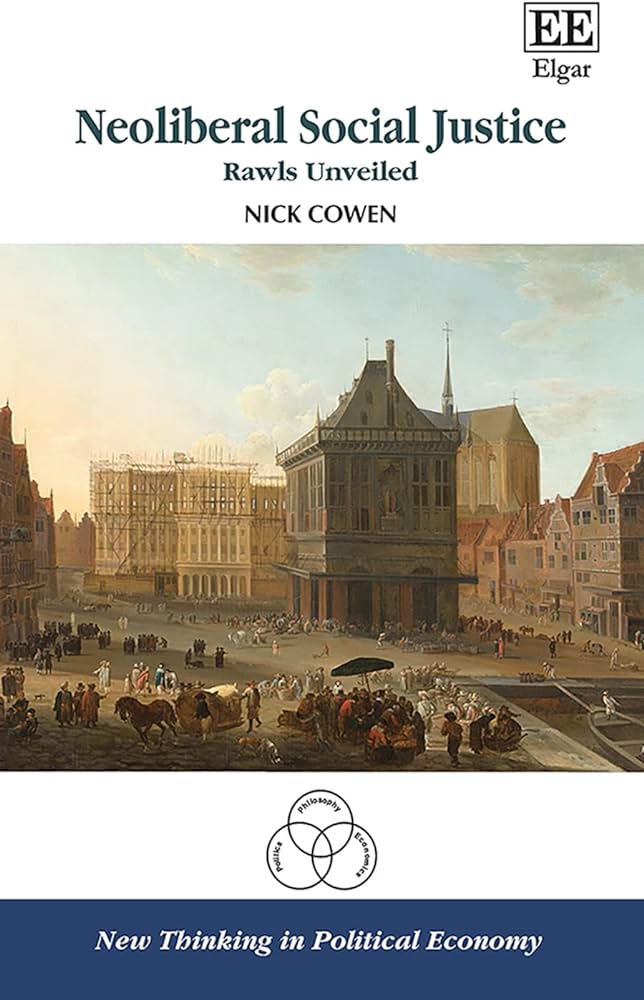
In Neoliberal Social Justice, Nick Cowen considers the policy implications of Rawls’s theory of ‘justice as fairness’ when realistic assumptions about human behaviour and social theory are introduced, arguing in favour of classical liberal or neoliberal democratic policies, albeit without abandoning central aspects of the Rawlsian framework.