Today the role of the Christian church in business seems to be mainly, in England anyway, as a vocal critic of the capitalist system. Business and wealth creation– let alone the dreaded banking industry – is viewed with suspicion in many Christian circles. The role of addressing the ills of society seems, as far as I can understand the Church of England’s views, to be the responsibility of the state, not business and certainly not Christians in business. Sadly, we have lost our Christian history. For there was a time when a rather small and one might say unusual group of Christians had a profound impact on England’s’ business, banking and society. These were the Quakers, the subject of this new book. Quaker business had an impact out of all proportion to the size of its community which was but a few thousand. For out of the Quakers came banks – Barclays, Lloyds, food – Cadbury, Rowntree’s, Fry’s, insurance – Friends Life manufacturing – huge numbers of iron businesses following Abraham Derby, shoes – Clarks and many more in chemicals, pharmaceuticals and other sectors. Not only were these businesses successful they treated their employees and customers with an unusual degree of care and concern: in fact one might say they were successful precisely because they applied Christian values in this way.
This short and insightful book is by Richard Turnbull, previously Principal of Wycliffe Hall and now Director of the Centre for Enterprise, Markets and Ethics (CEME). CEME has been set up by Brian Griffiths and others to try and apply Christian principles to business and wealth creation. Turnbull not only covers the history detailed above but more importantly draws some thought provoking lessons for today. Firstly, the Quakers had a living Christian faith. Quakerism had both the “inner light” thinking of its founder George Fox but also, up until around 1850, a strongly biblical “evangelical” side, which may come as a surprise to those of us more familiar with modern Quaker thinking. This was personified by the Gurneys, one of the main families who founded Barclays and the biblical thinking from the evangelical wing provided an objective biblical framework for business – a clear moral code. Secondly, they were highly successful family businesses working in a rich network of other family businesses. The sense of shared values and making money to use it for the good of society characterised their thinking and came directly from their family ownership. “The idea of (the) family encapsulates both purpose (for today) and stewardship (for tomorrow)” says Richard Turnbull. Thirdly and perhaps most importantly, they believed that business has a moral responsibility to create wealth, not for its own sake, let alone to be spent selfishly, but as stewards of God to use their wealth for the good of others. Hence the Quakers intense interest in education and model housing (Bournville being the most famous example).
The Quakers were not perfect, the book points out. Ironically much of their drive and network came because they were discriminated against and excluded from Oxbridge and the professions (some might think that not going to Oxbridge was precisely why they were successful in business!) As the evangelical fire waned during the C19th and as they became richer and more successful, some of the sense of stewardship was lost. Sadly, many of the most vociferous opponent of Lord Shaftsbury’s factory reforms – such as stopping small children as young as 6 or 7 going down mines – were the Quakers. Their businesses became larger and the families often lost interest, selling out and losing their shared values. The introduction of limited liability in 1856, notes Turnbull, was a particular turning point. (The very idea of limited liability was originally regarded as “immoral” – as was advertising!) The whole movement began to weaken and many family businesses sold up, the most obvious example of course is the sad fate of Cadburys. But this interesting, concise and well researched book by a leading expert in applying Christian thinking to business points out that there are important lessons we can learn from the Quakers, whether Christians or not. Even for the person who would not call themselves a Christian, then the Quaker formula – which we might say is shared moral values + common purpose + discipline + building trust and treating customers and staff well + family businesses with owners who view their wealth as for the good of society = good business – will never go out of fashion.
“Quaker capitalism: Lessons for today” by Richard Turnbull was first published in 2014 by the Centre for Enterprise, Markets and Ethics (ISBN 1-910666-00-5).
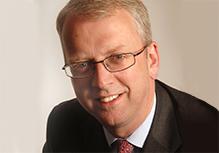
Jeremy Marshall is the Director and Chief Executive of C. Hoare & Co private bank.

Is the purpose of taxation payment for common services (defence, health, welfare) or a tool for the redistribution of wealth? That decision, and the balance between them, is a political one. However, there is nothing intrinsically moral about either high or progressive taxation. First, higher rates of taxation may not raise more revenue (the argument would be about the precise positioning on the Laffer Curve). Second, an extra pound raised for the government means a pound less at the disposal of individuals and families or for philanthropic activities. There is no greater morality attached to a government pound than a pound used in support of family life or philanthropic cause. If such spending encourages enterprise, reduces reliance on the state and achieves social purposes effectively and efficiently, then the moral imperative is to reduce taxation.
What about the collection of the tax that is due? There is an absolute moral obligation to comply with the rule of law (in a free, democratic society) including the payment of tax. How much tax should a person pay? Answer – the amount determined by the laws established by the legislature. The UK tax code is complex and lengthy with numerous provisions, allowances, schemes, exemptions, compliance requirements, elections and claims to be made. An individual or corporation who complies with these requirements cannot be said in any way to be acting either illegally or immorally. If Parliament wishes to change the tax legislation then that is precisely what they must do. Legislators legislate. Politicians should be very wary indeed of criticising those who comply with what they have passed into law.
Are there any limits? Yes, there are. It has been long established that artificial transactions or structures with the sole purpose of avoiding tax are irresponsible. HMRC possesses considerable powers to deal with such transactions. Indeed, given that, we should be wary of giving more powers to the tax authorities to pursue taxpayers complying with their legal obligations. High taxation and progressive taxation are not intrinsically moral. There is a balance in society between the rights of individuals to plan their affairs to minimise their tax liabilities, the laws passed by the legislature and the powers of the executive arm (HMRC) to enforce. The current rather sanctimonious debate around taxation has the danger of destabilising this balance by increasing the power of the executive, getting the legislature off the hook for lack of clarity and to the damage of individuals, families and society.
Dr Richard Turnbull is the Director of the Centre for Enterprise, Markets & Ethics (CEME).

 Is the purpose of taxation payment for common services (defence, health, welfare) or a tool for the redistribution of wealth? That decision, and the balance between them, is a political one. However, there is nothing intrinsically moral about either high or progressive taxation. First, higher rates of taxation may not raise more revenue (the argument would be about the precise positioning on the Laffer Curve). Second, an extra pound raised for the government means a pound less at the disposal of individuals and families or for philanthropic activities. There is no greater morality attached to a government pound than a pound used in support of family life or philanthropic cause. If such spending encourages enterprise, reduces reliance on the state and achieves social purposes effectively and efficiently, then the moral imperative is to
reduce taxation.
What about the collection of the tax that is due? There is an absolute moral obligation to comply with the rule of law (in a free, democratic society) including the payment of tax. How much tax should a person pay? Answer – the amount determined by the laws established by the legislature. The UK tax code is complex and lengthy with numerous provisions, allowances, schemes, exemptions, compliance requirements, elections and claims to be made. An individual or corporation who complies with these requirements cannot be said in any way to be acting either illegally or immorally. If Parliament wishes to change the tax legislation then that is precisely what they must do. Legislators legislate. Politicians should be very wary indeed of criticising those who comply with what they have passed into law.
Are there any limits? Yes, there are. It has been long established that artificial transactions or structures with the sole purpose of avoiding tax are irresponsible. HMRC possesses considerable powers to deal with such transactions. Indeed, given that, we should be wary of giving more powers to the tax authorities to pursue taxpayers complying with their legal obligations. High taxation and progressive taxation are not intrinsically moral. There is a balance in society between the rights of individuals to plan their affairs to minimise their tax liabilities, the laws passed by the legislature and the powers of the executive arm (HMRC) to enforce. The current rather sanctimonious debate around taxation has the danger of destabilising this balance by increasing the power of the executive, getting the legislature off the hook for lack of clarity and to the damage of individuals, families and society.
We were honoured to welcome the Rt Hon Dr Vince Cable, Secretary of State for Business, Innovation and Skills to speak. Dr Cable spoke of his own upbringing and the values which the Quaker businesses represented.
Deborah Cadbury related the story of Cadburys giving insight into how values are transmitted. Several members of the Cadbury family were present.
Dr Richard Turnbull put the Quaker businesses into historical context emphasising the issues of innovation, culture and the role of belief.
A panel discussed models of ownership including family businesses (Stephan Werhahn), mutuals (Mark Austen) and private equity (Carl Ferenbach).
Professor Colin Mayer gave a keynote address on how to restore trust in the business corporation.
A fantastic and insightful day. Our publication Quaker Capitalism: lessons for today was published on the day! Copies available from the office at £5 inclusive of postage and packing. For more information, please get in touch at office@theceme.org
Monsignor Professor Martin Schlag of the Centre for Markets, Culture and Ethics based at the Pontifical University of the Holy Cross in Rome spoke at CEME events in both London and Oxford.
Professor Schlag looked at various statements and documents to illustrate the different ways in which Popes had dealt with the idea of the market and how Adam Smith had been received in the Catholic tradition both consciously and sub-consciously. A fascinating evening!
The Director appeared on BBC Radio 4’s flagship current affairs programme Today, was elected a Fellow of the Royal Historical Society and invited to present a paper on the reception of Adam Smith in the Protestant tradition.
The Chairman lectured in Rome, hosted led several ‘round-table’ debates with senior moral and financial opinion leaders and chaired our conference on Quaker Capitalism.
We aim to both educate and transform. We seek to change opinion and make a practical difference. Our passion is for an effective, enterprise economy shaped by ethical values so that the world can be a better place.
We are an independent Centre, and rely entirely upon donations to fund our work.
In the UK donations can be sent payable to the Centre for Enterprise, Markets and Ethics, 31, Beaumont Street, Oxford OX1 2NP. We will supply a Gift Aid form and higher rate taxpayers can claim further relief via their tax returns
US citizens can send donations, payable to CAF America, for the benefit of ‘The Centre for Enterprise, Markets and Ethics’ (‘the CEME Fund’) to CAFAmerica, 1800 Diagonal Road, Suite 150, Alexandria, VA 22314 with the donor advice available from www.theceme.org or office@theceme.org. This is tax deductible.
Please advise us of any donation so we can thank you promptly and properly.
To sign-up to our Newsletter please click here or to download a .pdf version click here.
The frugality and simplicity of the Quaker character encouraged the patient wait for economic return in entrepreneurial activity – the precise opposite of the greed that seems so much at the forefront today.
On the 26th of November 2014, the Centre for Enterprise, Markets and Ethics held a discussion on Quaker Capitalism: Lessons for today?
We need to ask what were the principles that drove the Quaker vision and how might we apply those principles today? Perhaps if greater attention had been paid to the stewardship of the historic Quaker values in the period following the 2007 financial crisis, we might have been better served.
There are four reasons why the Quakers were successful:
– Understanding that culture shapes purpose and identity
– A willingness to talk and act morally
– The central role of the family business
– Understanding the wider responsibilities of business and capital
Read the Director’s full speech here.

The market economy is not perfect. However, we do sometimes forget that it is the market that has delivered significant prosperity to the world and lifted millions of people out of poverty. Improvements in literacy and sanitation have contributed to a significant reduction in the number of people existing on the benchmark measurement of $1 a day. Enterprise, trade, micro-credit and social venture capital are, however, foundational to a global reduction in poverty. This reminds us that there is a moral case to be made for the market.
Capitalism is built upon four moral principles. These principles are rooted in the Judeo-Christian tradition upon which a market based enterprise economy is constructed.
First, the principle of creativity. This idea is expressed through the creation of wealth and the flourishing of human creative skill. Wealth creation is about the harnessing of human capital, skills and innovation to add value to the productive capacity of the economy. So, the combining of raw materials to make goods for sale, the delivery of services, entrepreneurial skill in developing and applying new ideas lie at the heart of enterprise. Wealth creation has to precede the debate on distribution.
Second, the principle of responsibility. Encouraging dependency denies the essence of humanity. Human flourishing means recognising humanity’s uniqueness and capacity for innovation and learning.
Third, the principle of freedom. Free human expression is only possible within a context of both economic and political freedom. That is one reason why Marxist command economies don’t work. It is also why excessive economic control constrains enterprise and innovation. Entrepreneurial skill and risk needs recognition and reward.
Fourth, the principle of fairness. The fairness of the capitalist system stems from the fact that the market allocates goods and services fairly and efficiently between willing buyers and sellers at agreed prices. Excessive levels of taxation in this respect are intrinsically unfair.
The market economy also generates moral problems. Issues of greed, excess, monopoly and oligopoly mean that there is a proper place for regulation. However, because we seem to have lost sight of the intellectual case for the market, regulation and taxation seem to have become ends in themselves, rather than as means or tools to act as moral restraints in an essentially free economy in a free society.
Dr Richard Turnbull is the Director of the Centre for Enterprise, Markets & Ethics (CEME). For more information about Richard please click here.
The market economy is not perfect. However, we do sometimes forget that it is the market that has delivered significant prosperity to the world and lifted millions of people out of poverty. Improvements in literacy and sanitation have contributed to a significant reduction in the number of people existing on the benchmark measurement of $1 a day. Enterprise,trade, micro-credit and social venture capital are, however, foundational to a global reduction in poverty. This reminds us that there is a moral case to be made for the market.
Capitalism is built upon four moral principles. These principles are rooted in the Judeo-Christian tradition upon which a market based enterprise economy is constructed.
First, the principle of creativity. This idea is expressed through the creation of wealth and the flourishing of human creative skill. Wealth creation is about the harnessing of human capital, skills and innovation to add value to the productive capacity of the economy. So, the combining of raw materials to make goods for sale, the delivery of services, entrepreneurial skill in developing and applying new ideas lie at the heart of enterprise. Wealth creation has to precede the debate on distribution.
Second, the principle of responsibility. Encouraging dependency denies the essence of humanity. Human flourishing means recognising humanity’s uniqueness and capacity for innovation and learning.
Third, the principle of freedom. Free human expression is only possible within a context of both economic and political freedom. That is one reason why Marxist command economies don’t work. It is also why excessive economic control constrains enterprise and innovation. Entrepreneurial skill and risk needs recognition and reward.
Fourth, the principle of fairness. The fairness of the capitalist system stems from the fact that the market allocates goods and services fairly and efficiently between willing buyers and sellers at agreed prices. Excessive levels of taxation in this respect are intrinsically unfair.
The market economy also generates moral problems. Issues of greed, excess, monopoly and oligopoly mean that there is a proper place for regulation. However, because we seem to have lost sight of the intellectual case for the market, regulation and taxation seem to have become ends in themselves, rather than as means or tools to act as moral restraints in an essentially free economy in a free society.
We are excited to announce our major conference on what business can learn today from the Quaker-run companies of the industrial revolution. Are there lessons for integrity and the restoration of trust? What can we learn today about different models of business ownership.
Speakers include Deborah Cadbury, on the Cadbury story, Richard Turnbull on the lessons from the Quakers and Professor Colin Mayer on restoring trust.
The date is 26th November, the location One Great George Street, London SW1. All participants will receive a copy of CEME’s first publication, Quaker Capitalism: lessons for today. Details from office@theceme.org.
Dr Kim Tan, one of CEME’s Trustees, has extensive experience of how enterprise can be a more effective tool than inter-government aid in the relief of
poverty. Around 50 people gathered at the Said Business School in Oxford to hear from Kim and also reflections from Professor Alex Nicholls of the Business School and Penny Fowler from Oxfam.
The increase in inter-government aid has been inversely related to growth in GDP. Although there might be several reasons for falling GDP this statistic is a reminder of the limitations of aid. For example, the World Bank reports that some 60% of aid remains in donor countries.
Enterprise can provide at least a partial solution. Social venture capital invests in commercial projects that have significant
social impact.
The Kuzuko Game Reserve in South Africa is an example. Although built on commercial principles, impact measurements include the percentage of the work force with housing with running water and fair terms and conditions. Staff also hold shares in the business.
CCLA Investment Management sponsored a lecture by the Director on Shaftesbury’s approach to social welfare. Richard described how Shaftesbury sponsored legislation to prevent the most horrendous of evils in Victorian England but then adopted the ‘voluntary’ principle in dealing with poverty – a strong and effective voluntary sector combining both philanthropy and commercial principles to address social problems such as housing.
To view our latest research please click here.
We aim to both educate and transform. We seek to change opinion and make a practical difference. Our passion is for an effective, enterprise economy shaped by ethical values so that the world can be a better place.
We are an independent Centre, and rely entirely upon donations to fund our work.
In the UK donations can be sent payable to the Centre for Enterprise, Markets and Ethics, 31, Beaumont Street, Oxford OX1 2NP. We will supply a Gift Aid form and higher rate taxpayers can claim further relief via their tax returns
US citizens can send donations, payable to CAF America, for the benefit of ‘The Centre for Enterprise, Markets and Ethics’ (‘the CEME Fund’) to CAFAmerica, 1800 Diagonal Road, Suite 150, Alexandria, VA 22314 with the donor advice available from www.theceme.org or office@theceme.org. This is tax deductible.
Please advise us of any donation so we can thank you promptly and properly.
To sign-up to our Newsletter please click here or to download a .pdf version click here.
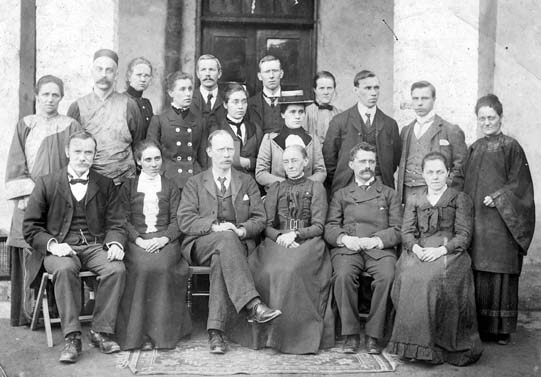
I am fascinated that in the early years of the industrial revolution some of the great businesses were established by Quakers – not least the first iron foundry established by Abraham Darby.
There were many others, Cadbury, Rowntree, Clarks’ Shoes, Barclays and Lloyds. Why was this so? The answer lies in some combination of moral integrity, culture, networks and spiritual commitment or purpose. I am not suggesting we all become Quakers but rather that there are lessons, both commercial and moral, which we could usefully learn.
Too often in our debates about enterprise, ethics and society we use ‘binary’ terms. So, for example, ‘profit’ is set up against ‘people’ or ‘competition’ against ‘fairness.’ However, these dichotomies (capital versus labour is another one) are invariably simplistic. Profit may also enable people to flourish, through the provision of goods and services as well as employment. Competition may increase fairness by allocating resources for consumers at lower prices and ensuring efficient production. The impact of enterprise in an economy cannot not be reduced to an ‘either-or’ but affects many people and their livelihoods, from entrepreneurs to consumers. The encouragement of enterprise is essential especially through what is usually termed the ‘supply-side’ of the economy. This means a fair reward for the entrepreneurs who take risks, encouragements to invest and to employ and taxation regimes that incentivise.
From an ethical perspective however the responsibilities extend more widely. Companies, large and small, have a significant impact on wider society. Do virtuous companies exist or just virtuous individuals? A virtuous enterprise might be described as one which not only behaves well or acts properly but which acknowledges and acts upon its wider role in society, even challenging that society itself in the direction of virtue. Companies and individual business people can have an enormous impact upon their local communities for the good. They can indeed act morally commercially, but also, through their actions they can, in a free economy and a free society, shape virtue itself, through service, philanthropy and example. However, to do so, they must be fashioned and led by moral individuals. Values are at the heart of both virtuous enterprises and individuals; the restoration of commercial trust will have direct commercial benefit but will also benefit society itself.
Dr Richard Turnbull is the Director of the Centre for Enterprise, Markets & Ethics (CEME). For more information about Richard please click here.
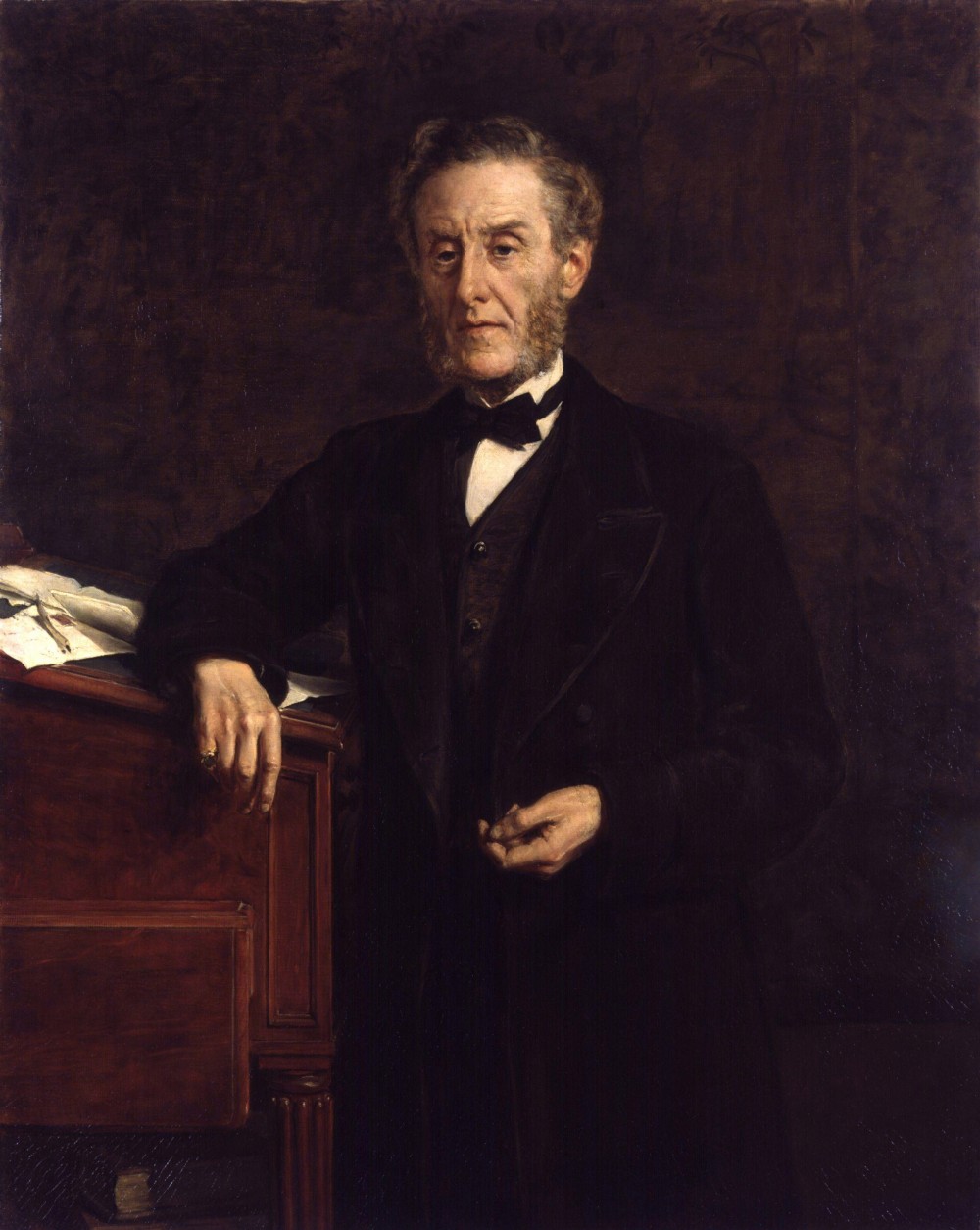
Dr Richard Turnbull, Director of CEME, presented a paper to invited guests at the CCLA in London on 24 September 2013.
A copy of his paper can be found here.

The second in the series “Conversations in Business” was held on 21 February 2013. The papers presented by the panellists, on the topic “Regulation and the British Economy : Freeing up the Enterprise Economy” can be found here.
The panel consisted of:
Bernard Grenville-Jones, Businessman & Entrepreneur – click here
Baroness Judith Wilcox – click here
Dr Richard Turnbull, Director, CEME – click here
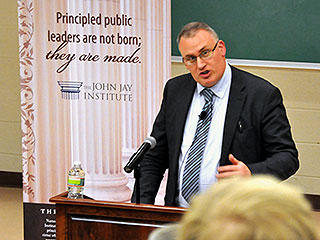
The Revd Dr Richard Turnbull presented a paper at the Entrepreneurial Leaders’ Conference in Vancouver in November 2012 on the topic : Can I be ethical and make money at the same time?
A video of this presentation is now available on the ELO website.
Please find Richard Turnbull’s paper here.
I am fascinated that in the early years of the industrial revolution some of the great businesses were established by Quakers – not least the first iron foundry established by Abraham Darby.
There were many others, Cadbury, Rowntree, Clarks’ Shoes, Barclays and Lloyds. Why was this so? The answer lies in some combination of moral integrity, culture, networks and spiritual commitment or purpose. I am not suggesting we all become Quakers but rather that there are lessons, both commercial and moral, which we could usefully learn. Later this year we will hold a day conference on this subject, considering the lessons for today, including debate around trust and corporate structure – join the mailing list, contact the office or watch the website for details!
Too often in our debates about enterprise, ethics and society we use ‘binary’ terms. So, for example, ‘profit’ is set up against ‘people’ or ‘competition’ against ‘fairness.’ However, these dichotomies (capital versus labour is another one) are invariably simplistic. Profit may also enable people to flourish, through the provision of goods and services as well as employment. Competition may increase fairness by allocating resources for consumers at lower prices and ensuring efficient production. The impact of enterprise in an economy cannot not be reduced to an ‘either-or’ but affects many people and their livelihoods, from entrepreneurs to consumers. The encouragement of enterprise is essential especially through what is usually termed the ‘supply-side’ of the economy. This means a fair reward for the entrepreneurs who take risks, encouragements to invest and to employ and taxation regimes that incentivise.
From an ethical perspective however the responsibilities extend more widely. Companies, large and small, have a significant impact on wider society. Do virtuous companies exist or just virtuous individuals? A virtuous enterprise might be described as one which not only behaves well or acts properly but which acknowledges and acts upon its wider role in society, even challenging that society itself in the direction of virtue. Companies and individual business people can have an enormous impact upon their local communities for the good. They can indeed act morally commercially, but also, through their actions they can, in a free economy and a free society, shape virtue itself, through service, philanthropy and example. However, to do so, they must be fashioned and led by moral individuals. Values are at the heart of both virtuous enterprises and individuals; the restoration of commercial trust will have direct commercial benefit but will also benefit society itself.
We are committed to a research agenda to think deeply about business, ethics and responsibility. As well as other
events on this page the future focus includes:
– A CEME publication on Quakers in Business.
– Autumn events (and publications) in London on the Social Value of Capital Markets and The contribution of Catholic thinking on the market.
– A Conference in London on Quaker Capitalism: lessons for today.
– Plans for a conference in 2015 on ‘Capitalism in the 21st Century’.
We were joined, in January, by civic guests including the Lord Lieutenant for Oxfordshire and the Thames Valley Police Commissioner, together with over a hundred civic, university and business guests at Harris Manchester College to hear the Chief Executive of Barclays, Antony Jenkins, outline his vision for the restoration of trust. Antony detailed the challenge faced by Barclays, the problems of transforming the culture in an authentic way in such a large institution as well as genuine issues the bank still faces. Antony noted the importance of being a steward of the original vision of the bank’s Quaker founders. There followed an extensive time for questions – many topics from remuneration to lending to small businesses were covered – then dinner and a short response and vote of thanks from the Bishop of Oxford.
To view our latest research please click here.
How can private equity and social venture capital be effectively harnessed in economic development? Dr Kim Tan will explore whether this approach is more effective than inter-government aid. Professor Alex Nicholls of the Said Business School and Penny Fowler of Oxfam will respond.
25th June 2014, Said Business School Oxford from 6pm. Places limited. Email office@theceme.org for invitation.
To view our latest Events and Picture Gallery click here.
A seminar in London heard the Revd Dr Ben Cooper reflect upon the teaching of the Old Testament on the charging of interest. He argued that in order to assist the poor it was not only permissible but essential to charge interest on loans particularly for investment rather than consumption. The availability of credit and wealth creation is essential to the relief of poverty.
A talk by the Director, sponsored by CCLA Investment Management Limited.
12th June 2014, 4.30pm – 7pm, London. Email office@theceme.org for details.
We aim to both educate and transform. We seek to change opinion and make a practical difference. Our passion is for an effective, enterprise economy shaped by ethical values so that the world can be a better place.
We are an independent Centre, and rely entirely upon donations to fund our work.
In the UK donations can be sent payable to the Centre for Enterprise, Markets and Ethics, 31, Beaumont Street, Oxford OX1 2NP. We will supply a Gift Aid form and higher rate taxpayers can claim further relief via their tax returns
US citizens can send donations, payable to CAF America, for the benefit of ‘The Centre for Enterprise, Markets and Ethics’ (‘the CEME Fund’) to CAFAmerica, 1800 Diagonal Road, Suite 150, Alexandria, VA 22314 with the donor advice available from www.theceme.org or office@theceme.org. This is tax deductible.
Please advise us of any donation so we can thank you promptly and properly.
To sign-up to our Newsletter please click here or to download a .pdf version click here.