
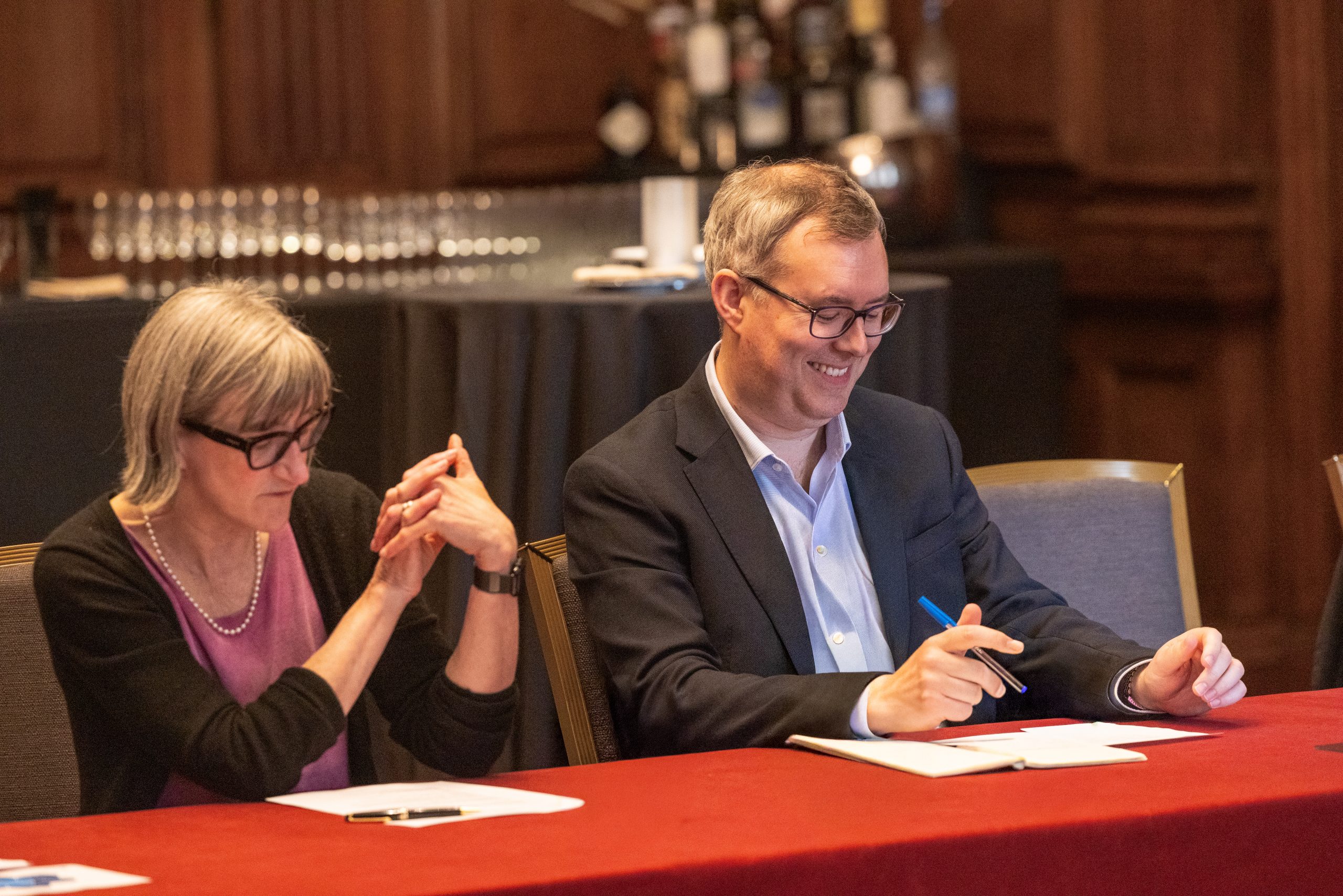
Last week we gathered people in policy, business, and public life together in Westminster to think about the current fiscal situation in the UK and specifically the relationship between taxation and enterprise.
We will be holding further events in the autumn. Please subscribe for details.
Tax in the UK and the (In)efficiency of the Tax System
Tom Clougherty kicked us off by speaking about the rising level of tax needed to fund existing debt and continually increasing spending. For the purposes of this presentation he said he would take the required tax take as a given and focus instead on how it was raised. He pointed out that some taxes are much more efficient than others, because they raise revenue without impacting economic behaviour like investment in the future or decisions to take employment opportunities. He noted that the UK is ranked 32 out of 38 OECD members for tax competitiveness. He emphasised that the poor use of efficient taxes like VAT (where exceptions abound) and an almost uniquely poorly-designed property tax system mean than revenue comes from taxes that cause more economic damage.
Tom argued that while many experts disagree about the level and composition of government spending, they agree about improvements to the tax system and about the general design principles. Despite this, the practical politics is not clear cut and there are difficult questions about to how to get from the status quo to a better system.
Determinants of Tax Policy
Philip Krinks spoke about the broader determinants of a nation’s tax policy. He argued that there were at least six factors. The first was political vision and shared values, including the nation’s understanding of ‘fairness’ and of private property. The second factor was constitutional and legal, particularly which levels of government had tax-raising powers. The third was the chosen political economy, centring since the late 19th century in the UK on choices about state size, welfare provision and public ownership. The fourth was incentives for particular developments, such as the current focus on growth, where Philip agreed with Tom that the tax economics of growth enhancement are widely agreed, including predictability, low marginal rates, broad bases, neutrality, and favouring consumption taxes over levies on work, savings, and investment. A fifth issue, important to confront, was power dynamics, where certain constituencies are in a position to gain preferential treatment by forming electoral coalitions or otherwise influencing policy. The last was technical feasibility, since state capacity, while considerable in the UK, was still limited, not, for example, including a register of land values.
Philip concluded by suggesting a reset in the UK across all these dimensions: a political vision valuing work and enterprise over resentment, constitutional reforms restoring power to citizens and businesses over government bodies, a reduction in state size through welfare and pension reform, and tax reform to reward investment, innovation, and growth.
Personal Impacts
Naomi Wells spoke about the trends she was seeing in her work advising entrepreneurs impacted by UK taxes. These included those who had built up family businesses in the UK and were concerned by recent changes. In some cases, they were feeling compelled to leave the UK due to the liabilities which would be created when the business passed between generations, in addition to increasing payroll and other taxes and a worsening regulatory environment.
She also spoke about the successful entrepreneurs from overseas who had seriously considered relocating to the UK but been put off by a high and increasing tax burden. On a UK home, overseas buyers of premium property facing a 19 percent marginal stamp duty charge.
Taken together the risk is that policies discourage inbound entrepreneurs and encourage British entrepreneurs to move abroad weakening the economy and longer run fiscal situation.
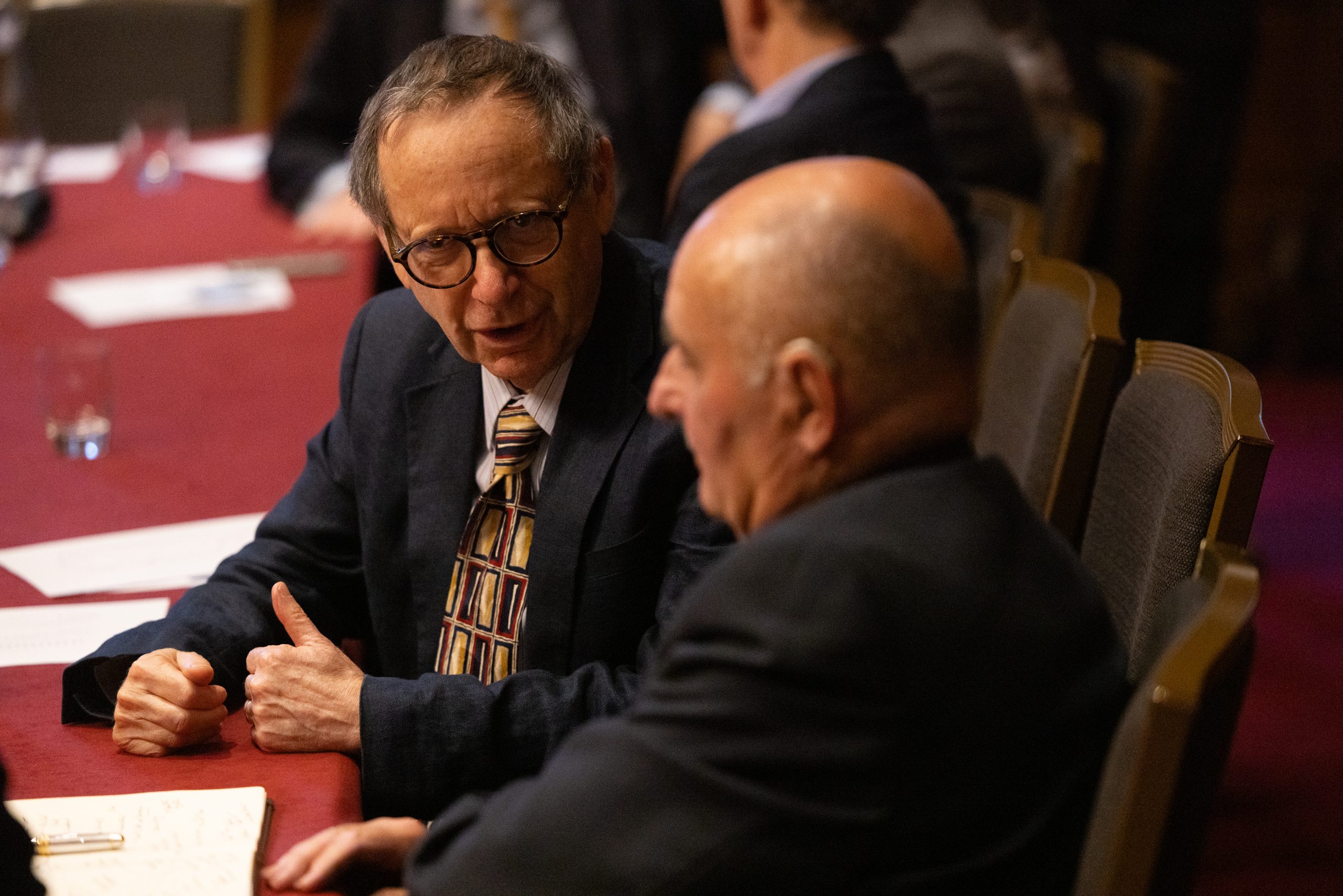
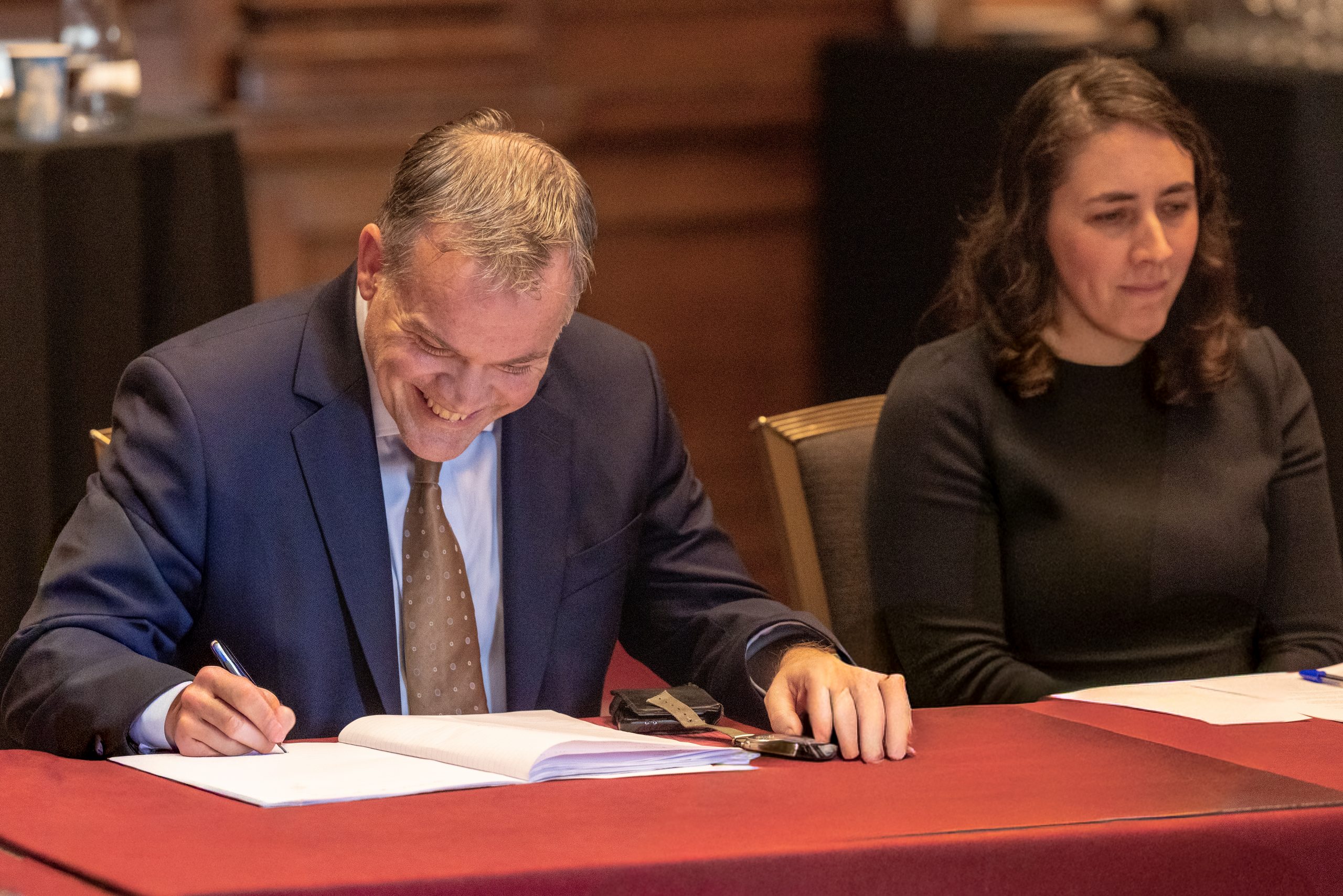
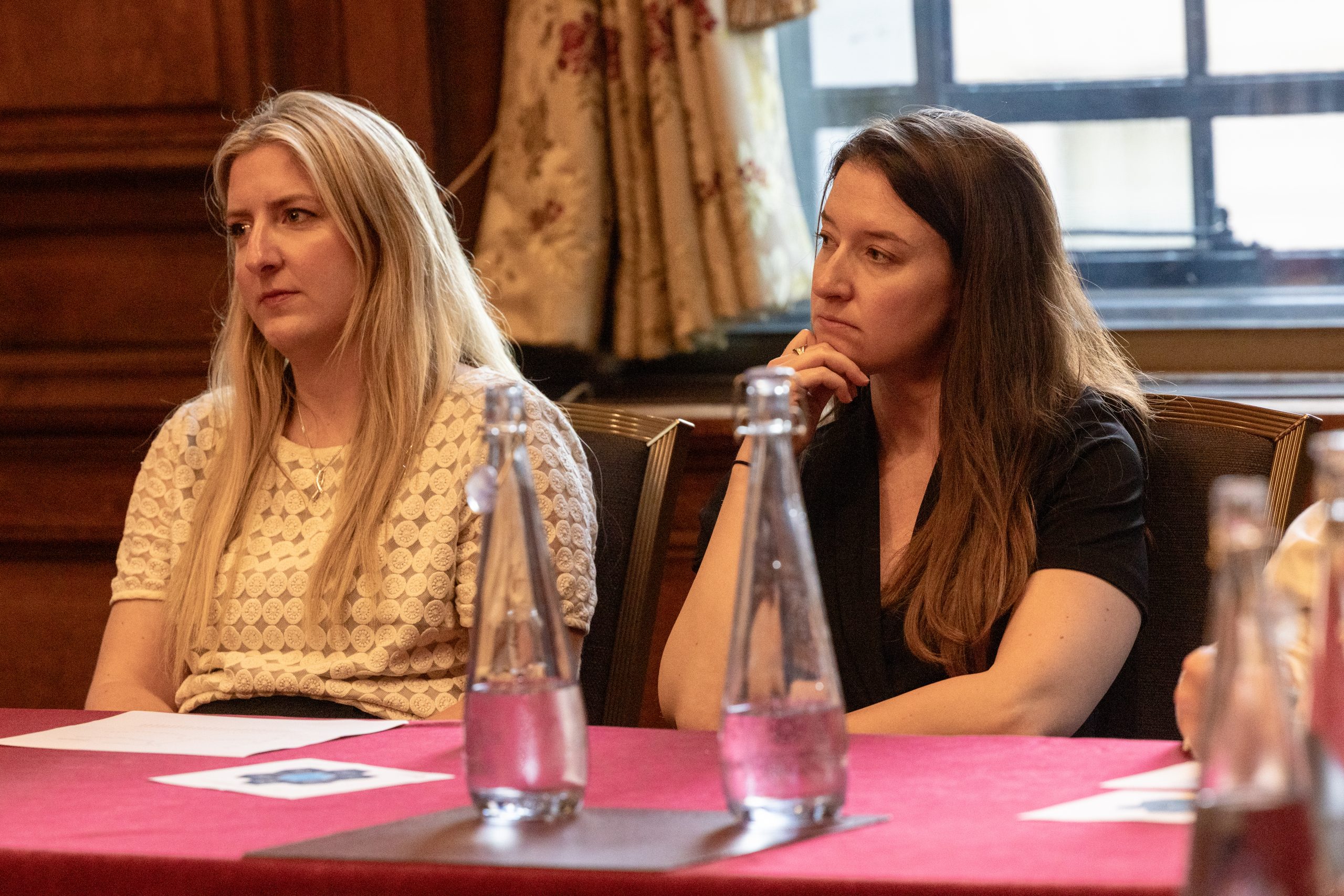
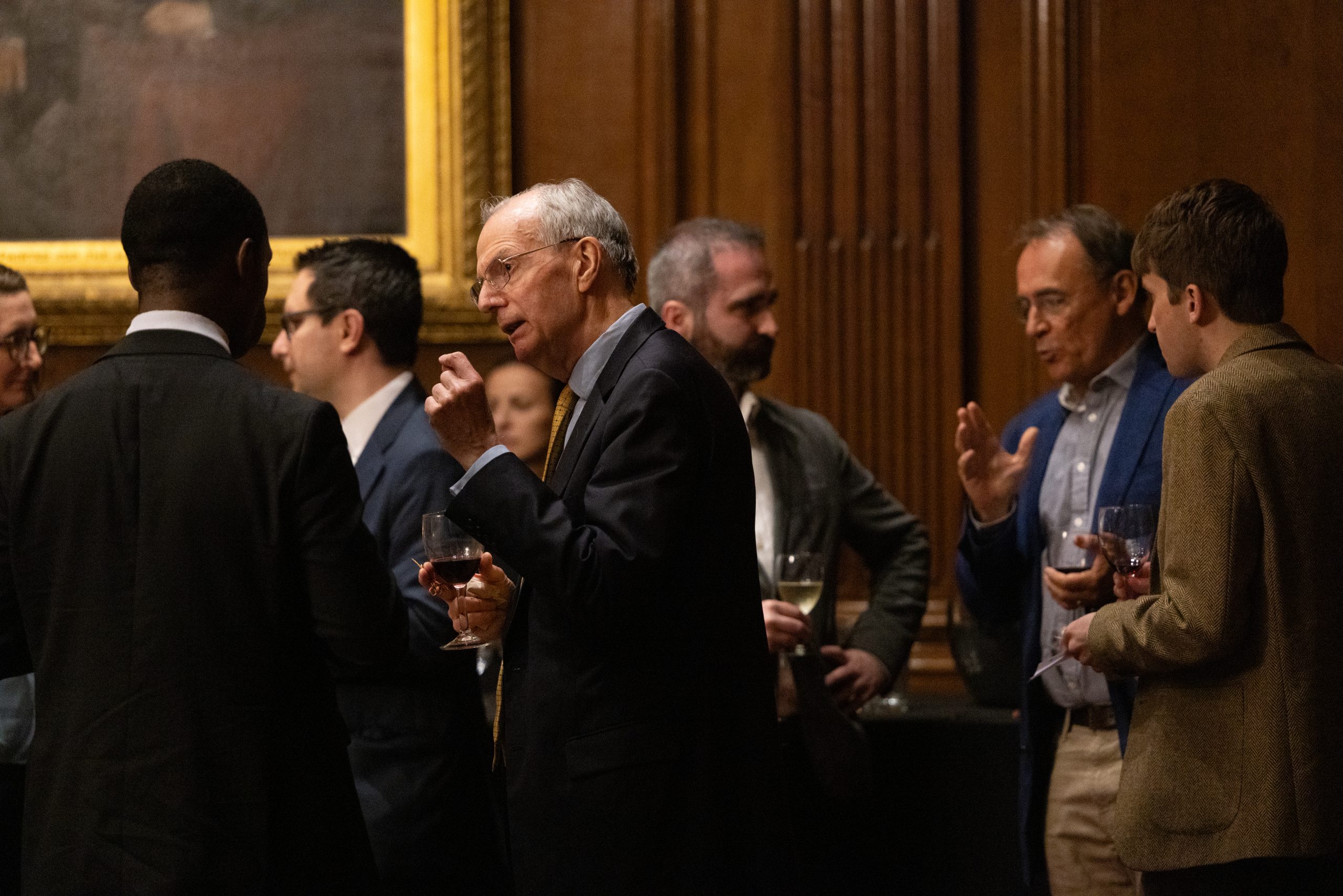
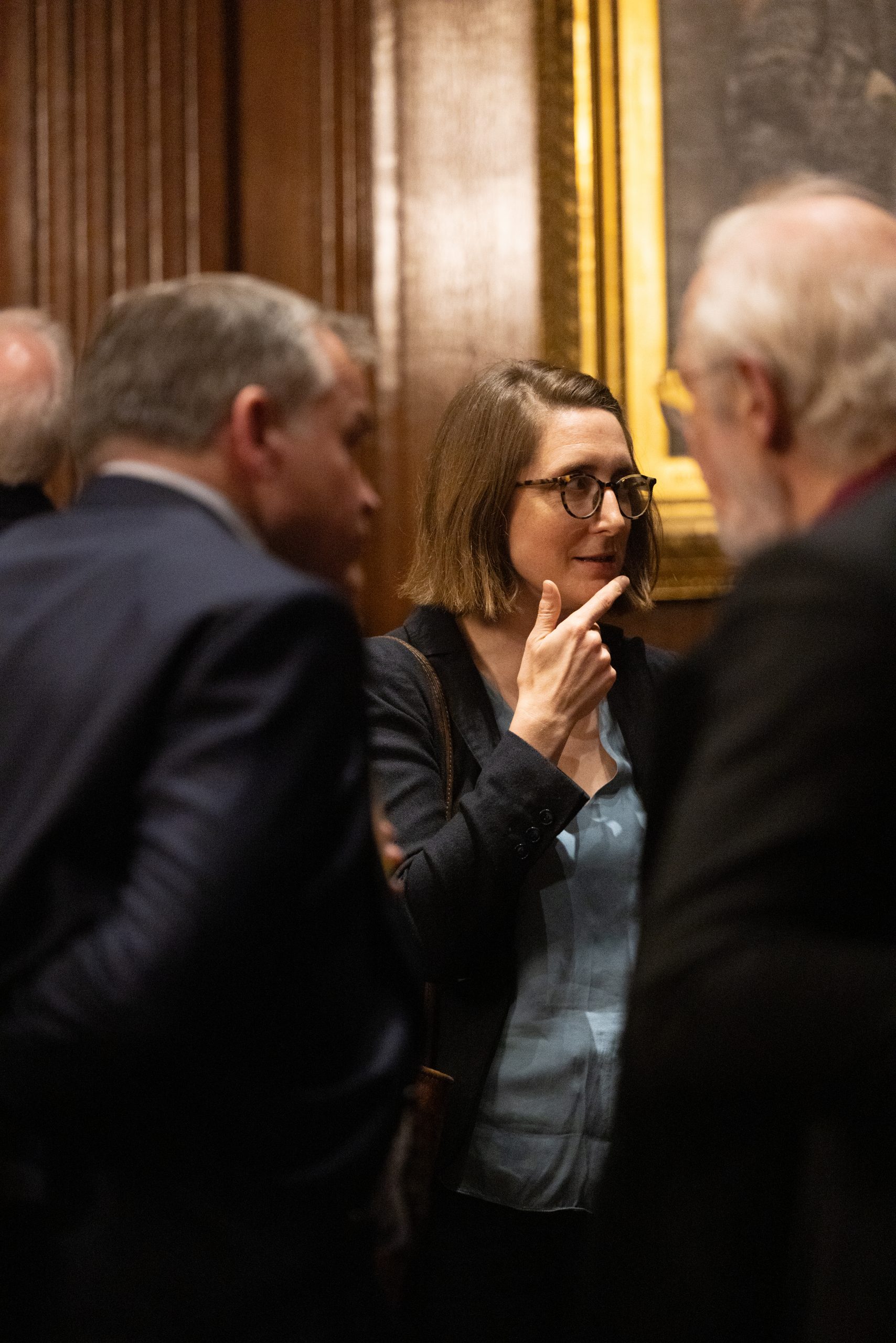
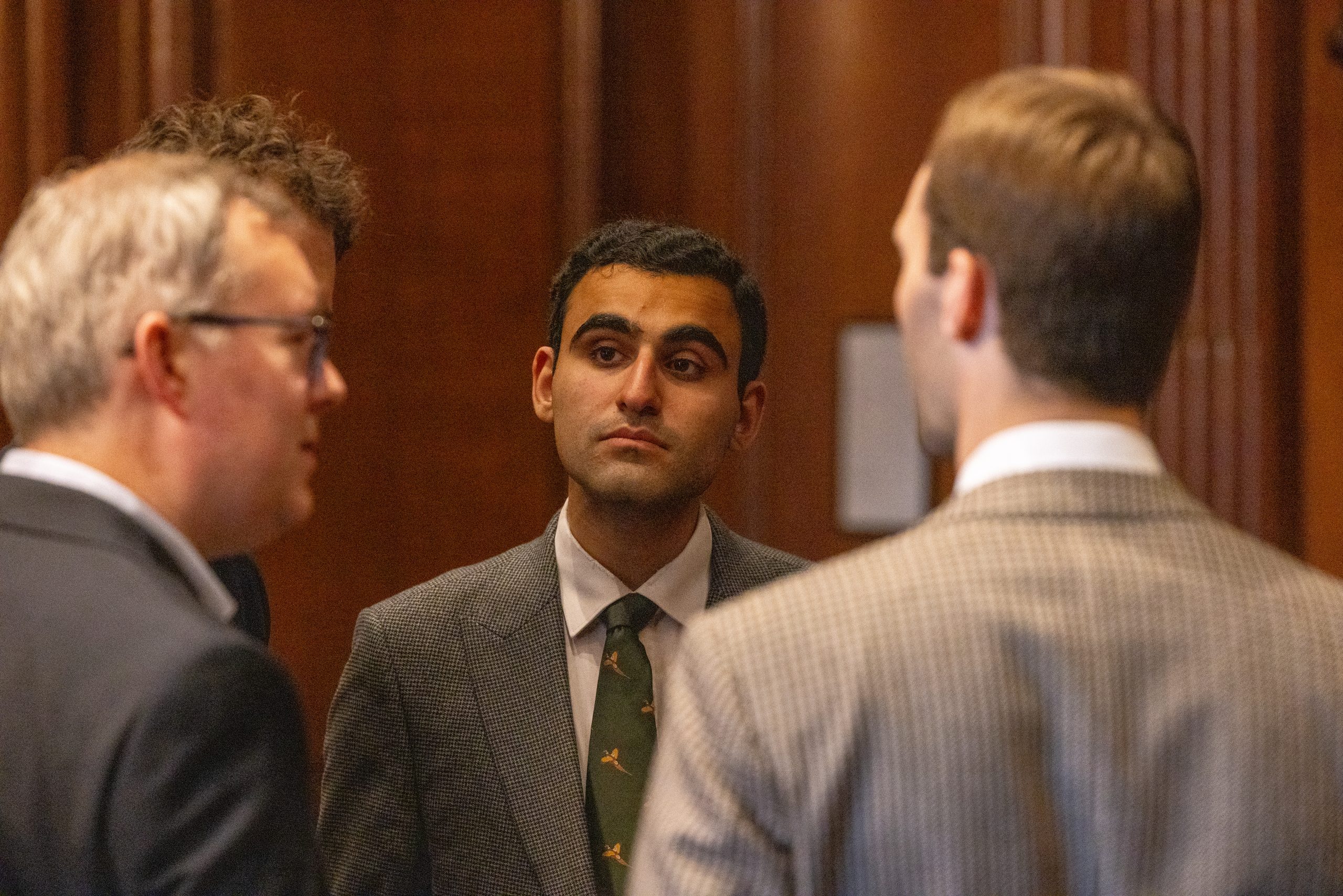
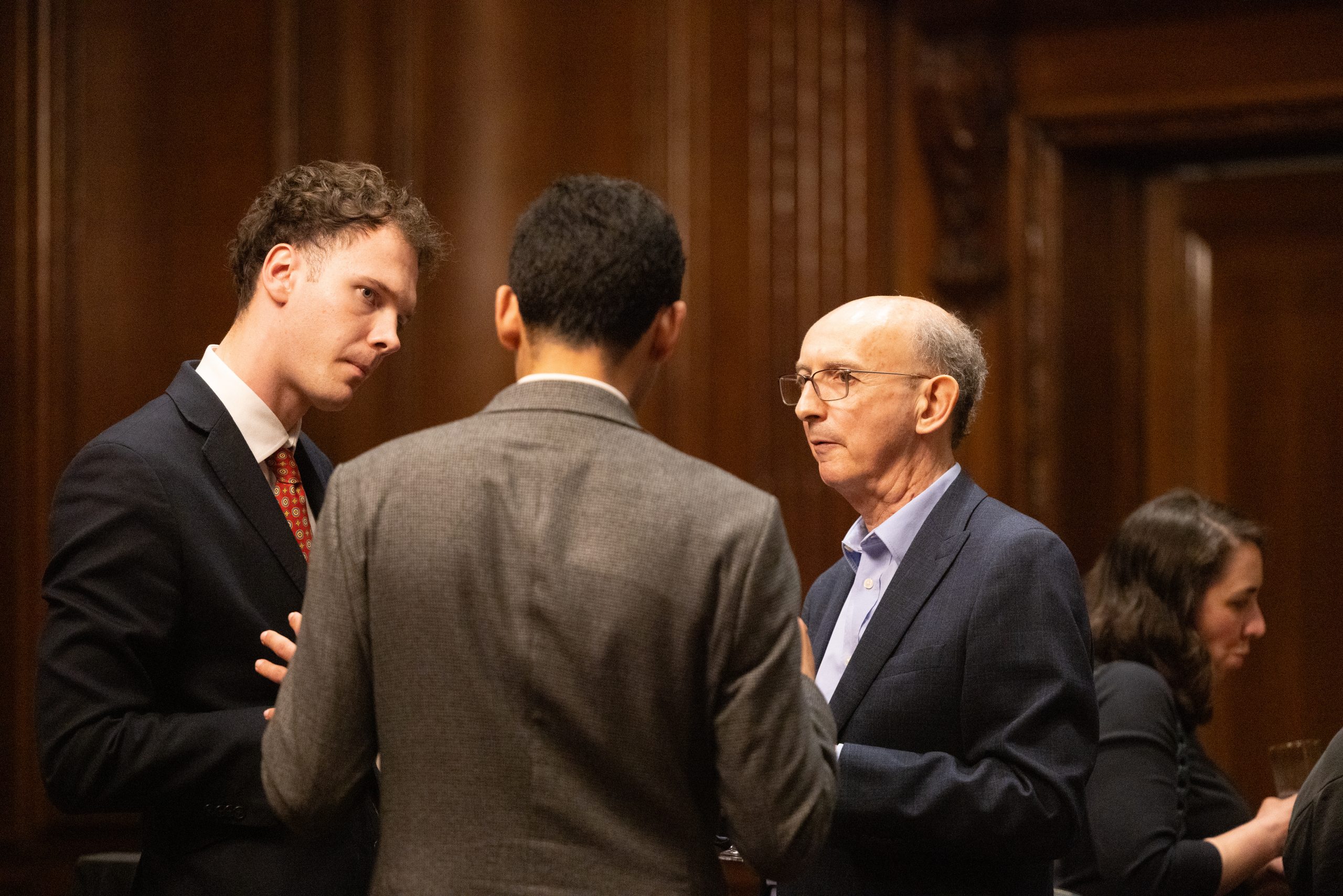
The talks were followed by a lively group discussion, chaired by Joanna Moriarty, which continued over drinks.
We will be holding further events in the autumn. Please subscribe for details.